
Synthetic Roofing Pros and Cons: Expert Buyer’s Guide
02.18.26
6 Min Read
Choosing synthetic roofing is a smart option for homeowners who want the look of premium materials like slate or cedar without the extra weight, cost, or maintenance. While synthetic shingles have grown in popularity across Voorhees, NJ and surrounding areas, they’re not right for everyone. Understanding the pros and cons will help you decide whether this roofing solution makes sense for your home.
- Mimics natural materials: Offers the beauty of slate, shake, or tile without the drawbacks.
- Engineered for performance: Built to resist weather, UV rays, and impact.
- Not a one-size-fits-all: Some homeowners may prefer the authenticity of natural materials.
What Is Synthetic Roofing?
Synthetic roofing refers to roofing shingles or tiles made from engineered materials like polymers, rubber, fiberglass, and recycled plastics. These materials are molded to resemble traditional roofing products but are significantly lighter and often more durable.
In areas like Voorhees, NJ, where homes range from historic to contemporary, synthetic roofing allows homeowners to match the aesthetic of older materials while upgrading performance and longevity.
Common Materials Used
- Polymer blends: Provide flexibility, UV resistance, and durability.
- Recycled plastics and rubber: Offer environmental benefits and impact resistance.
- Fiberglass reinforcements: Improve fire resistance and structural integrity.
Appearance Options
Synthetic roofing is designed to mimic natural materials with stunning accuracy.
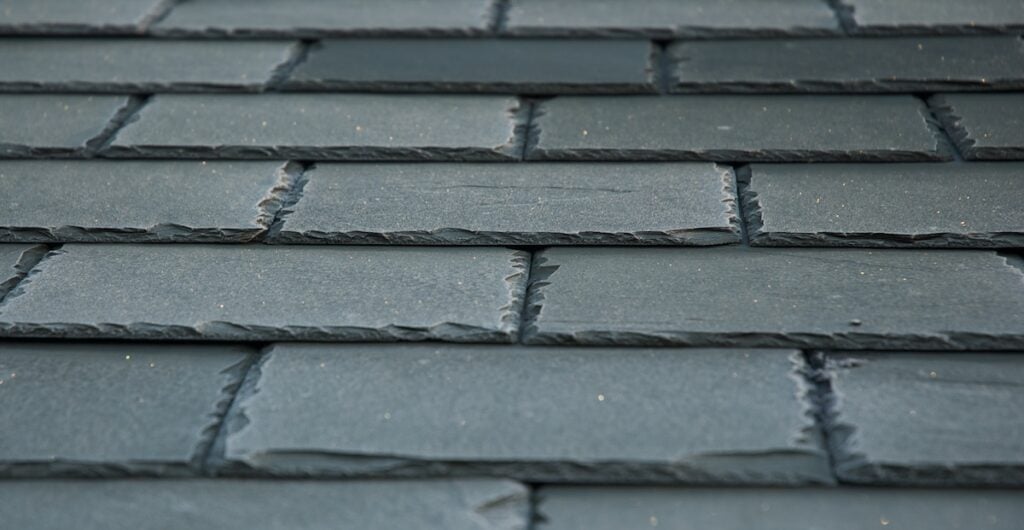
- Slate alternatives: Replicate the chiseled texture and color variation of natural stone.
- Shake-style shingles: Feature wood grain patterns and irregular edges.
- Tile lookalikes: Available in Mediterranean-style barrel profiles.
6 Pros Of Synthetic Roofing
There are many reasons homeowners in Voorhees, NJ and surrounding areas choose synthetic roofing. From visual appeal to practical benefits, synthetic products offer a compelling package.
Here are the top advantages to consider when evaluating this roofing option.
1. Visually Appealing
- High-end look: Designed to mimic real slate or cedar shake with impressive detail.
- Color variety: Available in multiple shades and tones to match any home style.
- Curb appeal boost: Can increase your home’s visual impact and resale value.
2. Lightweight And Versatile
- No structural reinforcement needed: Synthetic roofing is significantly lighter than slate or tile.
- Easier installation: Saves time and labor compared to heavier materials.
- Ideal for older homes: Especially where roof framing can’t support heavy roofing systems.
3. Durable And Long-Lasting
- Impact resistance: Often rated to withstand hail and debris.
- Wind performance: Many products are rated for winds up to 110–130 mph.
- UV protection: Holds color and structural integrity even with long sun exposure.
4. Low Maintenance
- Won’t rot or split: Unlike wood, synthetic shingles don’t decay over time.
- No need to seal or stain: Factory colors stay consistent for decades.
- Resists algae and mold: Surface composition makes it harder for biological growth to take hold.
5. Environmentally Friendly
- Recycled materials: Many products incorporate post-consumer plastics or rubber.
- Recyclable at end of life: Some brands allow for reprocessing after tear-off.
- Sustainable choice: Lower environmental impact than quarrying slate or cutting cedar.
6. Warranty Coverage
- Long warranties: Often 30–50 years, depending on the product and installer.
- Transferable terms: Adds value when selling your home.
- Reliable coverage: Designed to match the expected product lifespan.
4 Cons Of Synthetic Roofing
While the benefits are substantial, synthetic roofing may not be ideal for every homeowner. It’s important to weigh the downsides before making your final decision.
Below are some of the most common concerns people have with synthetic shingles.
1. Not A Natural Material
- Lacks authenticity: Purists may prefer the character of real slate or shake.
- Potential texture uniformity: Some products look too “perfect” compared to natural materials.
- HOA restrictions: Historic or upscale neighborhoods may prohibit synthetic options.
2. Variable Product Quality
- Brand differences: Not all synthetic shingles are created equal.
- Cheaper products wear faster: Budget lines may lack UV coatings or thicker construction.
- May fade prematurely: Low-end options might discolor over time.
3. Mid-To-High Price Point
- More expensive than asphalt: But less than slate or cedar.
- Upfront cost still significant: Especially with premium styles or complex installations.
- Value varies by region: Local resale value might not reflect the upgrade in all areas.
4. Requires Professional Installation
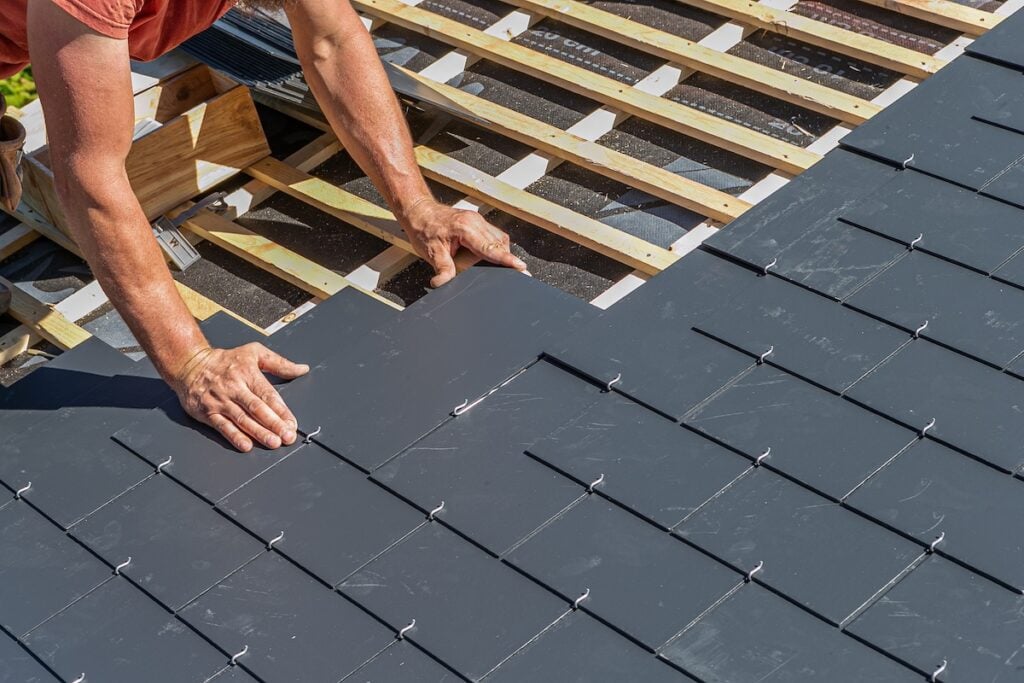
- Not DIY-friendly: Proper installation is critical to ensure durability and appearance.
- Limited qualified installers: Not every contractor is familiar with synthetic materials.
- Warranties tied to certified pros: Some warranties only apply when installed by brand-approved roofers.
How Long Does Synthetic Roofing Last?
Most high-quality synthetic roofing products last between 30 and 50 years. In Voorhees, NJ and surrounding areas, where homes endure all four seasons, synthetic materials tend to hold up well to temperature swings, ice, rain, and sun exposure.
What Affects Lifespan
- Product grade: Premium synthetic shingles last longer than budget brands.
- Installation quality: Poor installation can reduce performance and void warranties.
- Maintenance habits: Clean gutters, good attic ventilation, and occasional inspections help extend lifespan.
Is Synthetic Roofing Worth It?
Whether synthetic roofing is worth the investment depends on your goals. If you want a low-maintenance, good-looking, and long-lasting roof without the weight or upkeep of natural materials, it’s definitely worth considering.
In communities like Voorhees, NJ and surrounding areas, synthetic roofing can blend beautifully with older homes or enhance newer builds.
Ideal Scenarios For Synthetic Roofing
- Historic look, modern performance: Perfect for homeowners who want classic style without classic upkeep.
- Framing limitations: Lightweight design avoids the need for structural upgrades.
- Longevity without hassle: Requires fewer repairs and less cleaning than wood or tile.
When It May Not Be Right
- Strict neighborhood guidelines: Some areas prohibit synthetic substitutes.
- Budget limitations: Not as affordable as asphalt or basic metal roofing.
- Seeking natural authenticity: Real slate and cedar still have unique, unmatched character.
Choosing A Contractor For Synthetic Roofing
If you’re considering synthetic roofing, it’s important to work with a qualified contractor who understands the material. Installation quality is a key factor in how well the roof performs over time.
Homeowners in Voorhees, NJ and surrounding areas should look for contractors with proven experience installing synthetic products.
What To Ask Your Roofer
- Do you have experience with synthetic roofing brands?
- Are you certified by the manufacturer?
- Can I see examples of past synthetic roofing jobs?
- What warranty coverage is available for this system?
Weighing The Pros And Cons Of Synthetic Roofing
Synthetic roofing offers a long-lasting, stylish, and low-maintenance solution for homeowners in Voorhees, NJ and surrounding areas. While it’s not the perfect fit for everyone, the balance of beauty, strength, and performance makes it a top contender for many residential roofs.
At Excel Roofing & Siding, we help homeowners choose the best roofing system for their needs, including top-tier synthetic products that blend elegance and efficiency. If you’re exploring roofing options, reach out today for a free estimate and expert guidance on synthetic roofing solutions.
