How Long Does A Copper Roof Last? Lifespan & Durability
07.29.26
7 Min Read
Understanding how long does a copper roof last is important for homeowners considering one of the most durable and long-lasting roofing materials available. Copper roofing has been used on homes, churches, and historic buildings for generations because of its exceptional longevity, corrosion resistance, and distinctive appearance. While no roofing system lasts forever, a properly installed copper roof can significantly outlast many traditional roofing materials.
In Yardley, PA and surrounding areas, copper roofing is often found on historic homes, Victorian properties, and custom residences where long-term performance and architectural character are priorities. Although copper roofs typically require a larger upfront investment than asphalt shingles, many homeowners choose them because of their durability and timeless appeal.
- Exceptional longevity: Copper roofing often lasts much longer than conventional roofing materials.
- Natural durability: Copper resists corrosion, moisture damage, and pests.
- Architectural appeal: The material develops a distinctive patina that changes over time.
What Makes Copper Roofing So Durable?
Copper has been used as a roofing material for centuries because of its unique ability to withstand environmental exposure. Unlike many roofing products that gradually deteriorate due to moisture, UV rays, or temperature fluctuations, copper develops a natural protective layer that helps preserve the material beneath.
This combination of strength and self-protection is one of the primary reasons copper remains a premium roofing option for homeowners seeking long-term value.
Natural Corrosion Resistance
One of copper’s greatest advantages is its ability to protect itself naturally.
- Protective patina: Forms as the copper ages.
- Corrosion resistance: Helps prevent material deterioration.
- Long-term performance: Reduces the need for extensive maintenance.
Resistance To Common Roofing Problems
Copper performs well against many of the issues that affect other roofing materials.
- Moisture resistance: Does not absorb water.
- Pest resistance: Not vulnerable to insects or rodents.
- Fire resistance: Non-combustible material.
- Rot resistance: Will not decay like wood products.
How Copper Roofing Changes Over Time
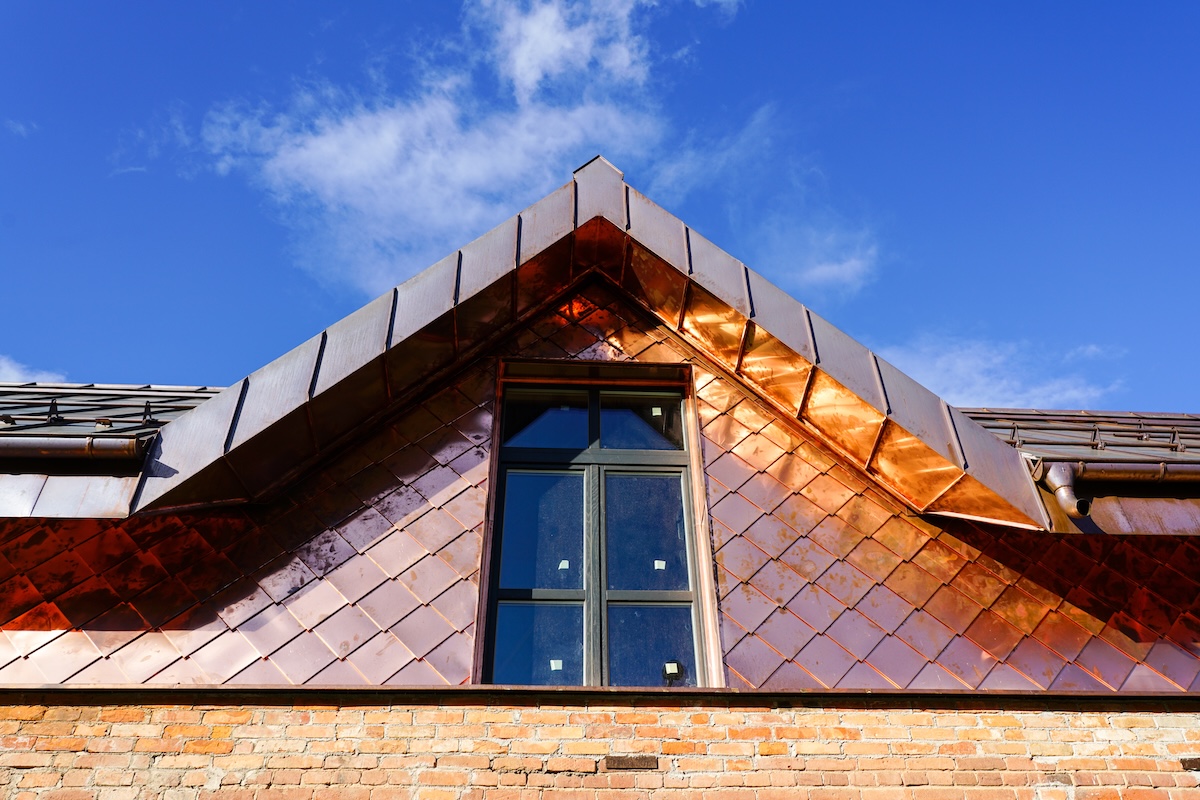
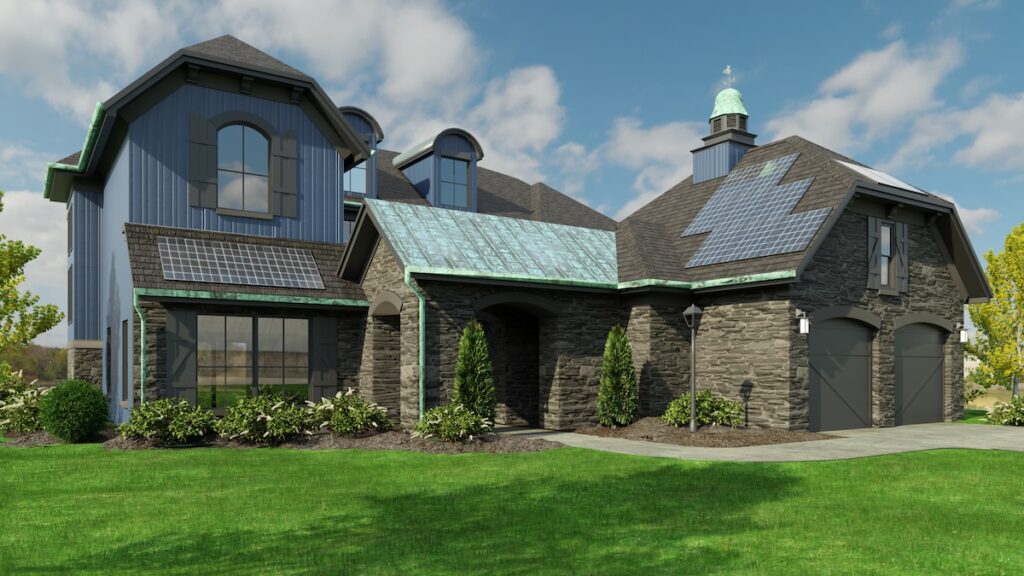
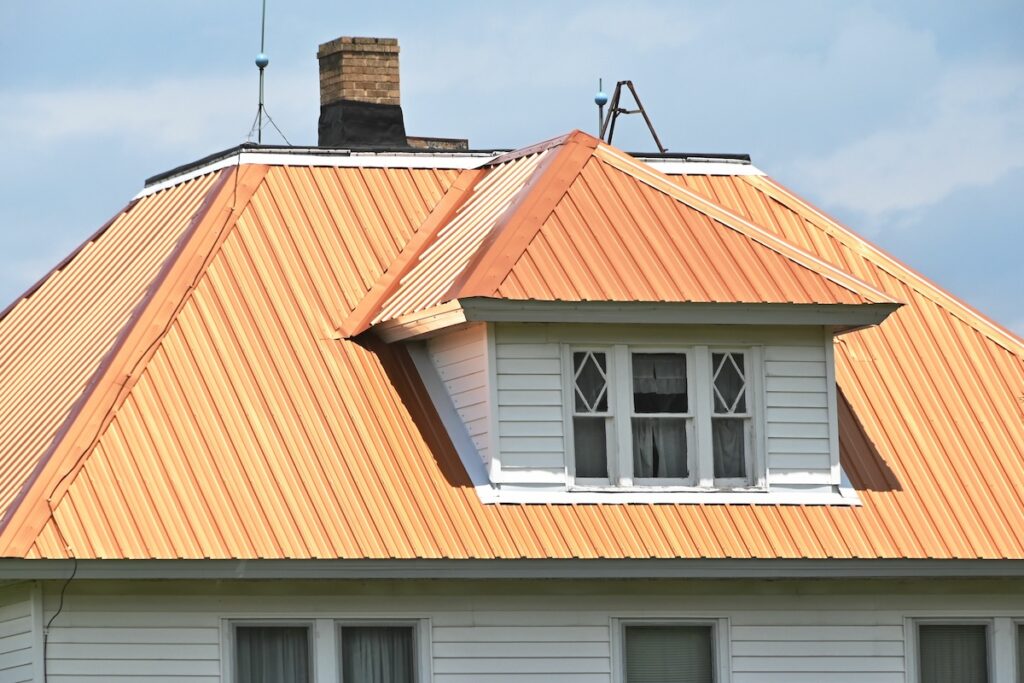
One of the most recognizable features of a copper roof is its changing appearance. New copper begins with a bright metallic finish but gradually develops darker tones before eventually forming the green patina commonly associated with historic buildings.
Many homeowners specifically choose copper because of this natural aging process.
Stages Of Copper Aging
- Bright copper: Newly installed appearance with warm metallic tones.
- Bronze and brown hues: Develop as oxidation begins.
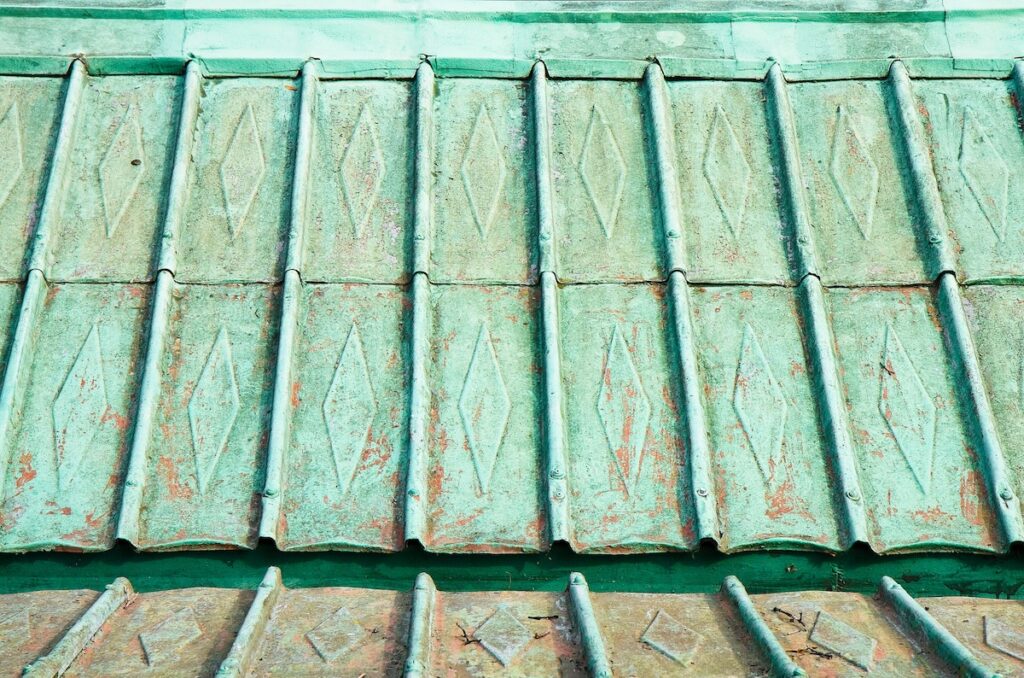
- Green patina: Forms gradually and acts as a protective layer.
Why Patina Matters
The patina is more than just a visual feature. It also contributes to the roof’s durability.
- Additional protection: Helps shield the underlying copper.
- Reduced corrosion: Slows deterioration from environmental exposure.
- Unique appearance: Creates a distinctive architectural look.
5 Factors That Affect How Long A Copper Roof Lasts
While copper is one of the longest-lasting roofing materials available, the actual lifespan of a copper roof depends on several variables. Two copper roofs installed in different conditions may age differently over time.
Understanding these factors can help homeowners maximize the value of their roofing investment.
1. Installation Quality
A copper roof is only as good as its installation. Proper fastening methods, flashing details, and fabrication techniques all play a role in long-term performance.
- Proper detailing: Helps prevent water intrusion.
- Experienced installation: Reduces the risk of premature failures.
- Correct expansion allowances: Accommodates natural metal movement.
2. Copper Thickness And Material Quality
Not all copper roofing systems are identical. Material quality can influence performance and longevity.
- Heavier gauge materials: Often provide greater durability.
- Quality fabrication: Improves long-term reliability.
- Custom craftsmanship: Can enhance performance on complex roof designs.
3. Roof Design And Drainage
Water management is important for every roofing system, including copper.
- Proper slope: Promotes effective drainage.
- Well-designed valleys: Reduce water buildup.
- Effective flashing: Protects roof transitions and penetrations.
4. Environmental Conditions
Local weather conditions can influence how roofing materials perform over time.
- Storm exposure: May affect roofing components.
- Moisture levels: Impact the patina development process.
- Tree coverage: Can increase debris accumulation.
5. Ongoing Maintenance
Copper roofing requires less maintenance than many roofing materials, but regular inspections remain important.
- Routine evaluations: Help identify minor concerns early.
- Debris removal: Supports proper drainage.
- Prompt repairs: Protect supporting components such as flashing.
Components That May Need Attention Before The Copper
Although copper itself can remain functional for many decades, some supporting roofing components may require maintenance or replacement sooner.
This is important because a roofing system consists of multiple materials working together.
Flashing And Sealants
Flashing and sealants help prevent water intrusion around roof penetrations and transitions.
- Sealant aging: May require periodic maintenance.
- Flashing inspections: Help identify potential concerns.
- Leak prevention: Supports long-term roof performance.
Fasteners And Attachments
The hardware used to secure roofing components can experience wear over time.
- Component aging: Supporting hardware may wear before the copper.
- Thermal movement: Expansion and contraction affect connections.
- Routine inspections: Help identify maintenance needs.
Copper Roof Vs Other Roofing Materials
Many homeowners compare copper roofing with other premium roofing options before making a decision. While every material has advantages, copper is often selected because of its combination of durability and architectural appeal.
The following comparisons provide a general overview of how copper differs from other common roofing materials.
| Feature | Copper Roofing | Asphalt Shingles | Standing Seam Metal | Natural Slate |
| Typical Lifespan | Often 75+ years with proper installation and maintenance | Often 15–30 years | Often 40–70 years | Often 75–100+ years |
| Appearance | Develops natural patina | Wide variety of colors | Modern metal appearance | Traditional stone appearance |
| Maintenance | Generally low | Moderate | Low | Moderate |
| Historic Compatibility | Excellent | Moderate | Good | Excellent |
| Upfront Cost | Premium | Lower | Moderate to premium | Premium |
All lifespan ranges are general estimates. Actual performance depends on installation quality, maintenance, environmental conditions, and material selection.
Benefits Beyond Lifespan
Longevity is not the only reason homeowners choose copper roofing. The material also offers several additional advantages that contribute to its value.
Homeowners in Yardley, PA and surrounding areas often select copper because it combines performance with distinctive architectural character.
Architectural Appeal
Copper creates a unique appearance that evolves over time.
- Timeless aesthetic: Complements many architectural styles.
- Historic character: Commonly used on Victorian and historic homes.
- Distinctive curb appeal: Stands out from conventional roofing materials.
Low Maintenance Requirements
Copper requires relatively little upkeep compared to many roofing systems.
- No painting required: Patina develops naturally.
- Minimal maintenance: Routine inspections are typically sufficient.
- Long-term reliability: Designed for decades of performance.
Potential Property Value Benefits
Premium roofing materials can contribute to a home’s overall appeal.
- High-end appearance: Enhances exterior aesthetics.
- Long service life: Attractive to future buyers.
- Historic authenticity: Complements older homes and restoration projects.
Is Copper Roofing Worth The Investment?
Copper roofing typically involves a larger upfront investment than many roofing materials, but homeowners often view it as a long-term investment rather than a short-term expense. Its durability, architectural appeal, and ability to age gracefully make it a unique option for certain homes.
Historic and Victorian homes in Yardley, PA and surrounding areas often benefit particularly well from copper roofing because it complements traditional architectural details while providing exceptional performance.
Reasons Homeowners Choose Copper
- Exceptional longevity: One of the longest-lasting roofing materials available.
- Distinctive appearance: Develops a beautiful natural patina.
- Low maintenance needs: Requires relatively little upkeep.
- Historic compatibility: Ideal for older and architecturally significant homes.
How Long Does A Copper Roof Last?
When homeowners ask how long does a copper roof last, the answer depends on factors such as installation quality, material thickness, maintenance, and environmental conditions. However, copper consistently ranks among the longest-lasting residential roofing materials available and can often remain functional for many decades when properly installed and maintained.
For homeowners in Yardley, PA and surrounding areas, Excel Slate & Copper provides expert copper roofing solutions tailored to both historic and modern homes. Contact our team today to schedule your free consultation and learn more about whether copper roofing is the right investment for your property.
