8 Rules For Renovating A Historic Home In Haddonfield
10.07.26
9 Min Read
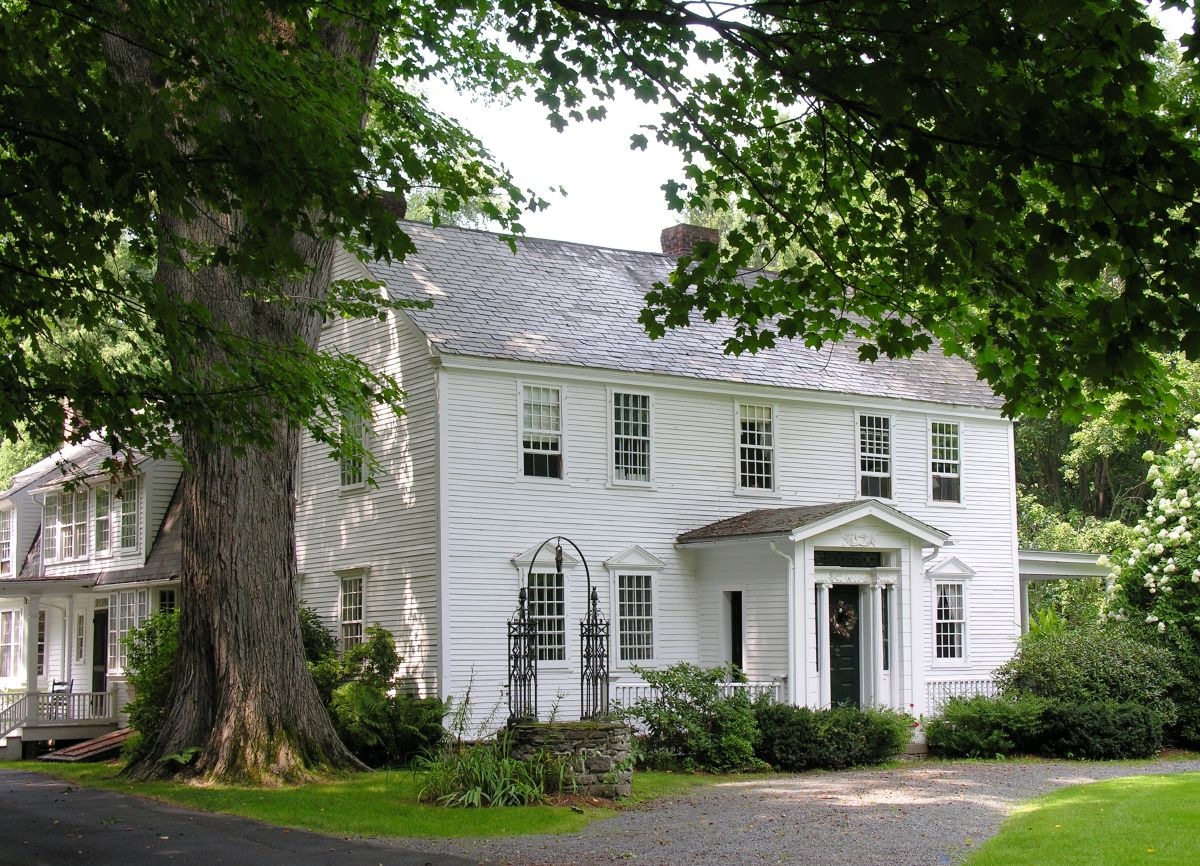
The Haddonfield Historic Preservation Commission is the first stop for any homeowner planning to renovate a historic home in Haddonfield, NJ and surrounding areas, because exterior changes within the district require its review before work can begin. Renovating in a protected district is different from a standard remodel: the rules govern how your home looks from the street, what materials you can use, and the order in which approvals and permits happen. Knowing those rules up front saves time, money, and frustration.
- Approvals come first: Exterior work needs review before permits or construction start.
- Character is protected: Materials and design must respect the home’s historic era.
- Expertise pays off: Experienced historic contractors move applications through smoothly.
What Is the Haddonfield Historic Preservation Commission?
The Haddonfield Historic Preservation Commission is the municipal board that reviews exterior changes to properties in the town’s historic core. Understanding its role and the district’s history helps homeowners plan a renovation that earns approval.
What Does the Haddonfield Historic Preservation Commission Do?
The Haddonfield Historic Preservation Commission is an advisory board, created in 1971, that conducts design review of Certificate of Appropriateness applications for exterior alterations, additions, and site changes within the historic district. The commission does not issue final approvals itself; instead, it makes recommendations to the Planning Board, which grants or denies each application at a public hearing. Its purpose is to ensure that changes respect the character that makes the district historically and architecturally significant.
- Design review: The commission evaluates exterior alterations and additions.
- Advisory role: It recommends decisions to the Planning Board for final action.
- Character focus: Reviews protect the district’s historic and architectural integrity.
Why Does Haddonfield Have a Historic District?
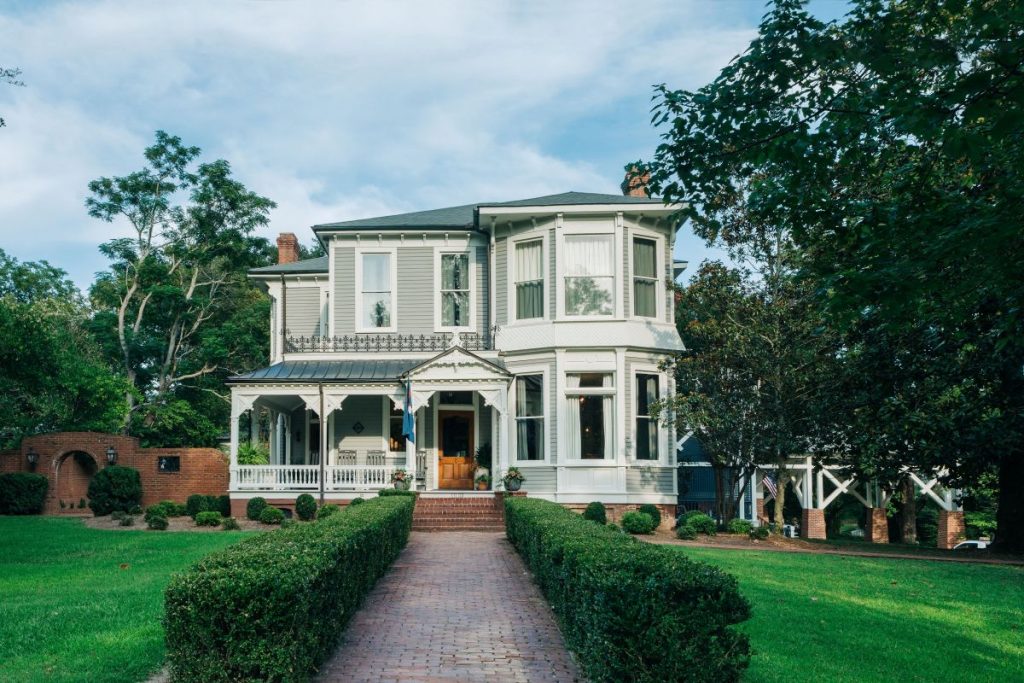
Haddonfield has a historic district because its roots run deep, tracing back to a Quaker settlement founded by Elizabeth Haddon around 1701. To safeguard that heritage, the Borough adopted its Historic District Ordinance in 1971, and the district was later listed on the New Jersey Register of Historic Places in 1980 and the National Register of Historic Places in 1982. Landmarks such as Greenfield Hall and the Indian King Tavern anchor a streetscape of Colonial, Federal, and Victorian architecture that the rules are designed to protect.
- Deep roots: The settlement dates to Elizabeth Haddon around the year 1701.
- Layered protection: Local, state, and national designations all apply.
- Living history: Greenfield Hall and Indian King Tavern remain landmarks.
8 Rules for Renovating a Historic Home in Haddonfield
Following the right steps in the right order is what keeps a historic renovation on schedule and on budget. These eight rules help homeowners in Haddonfield, NJ and surrounding areas renovate a historic home the right way.
1. Confirm Whether Your Home Sits in the Historic District
The first rule is to confirm whether your home sits within the Haddonfield Historic District, because that single fact determines which approvals you need. The district is large and tightly protected. According to the Borough of Haddonfield, the Historic District includes 488 houses, buildings, and sites in the town’s historic core, more than 150 of which are of the highest historical or architectural significance. Check your address with the Borough before planning any exterior work.
- District check: Confirm your address falls inside the mapped historic boundaries.
- Scale of protection: Every building in the district contributes to its character.
- Start early: Verify status before you design or budget any exterior changes.
2. Get a Certificate of Appropriateness Before Exterior Work
The second rule is to obtain a Certificate of Appropriateness, or CoA, before any exterior work begins. Under Borough ordinance, owners in the district must secure a CoA for exterior alterations, and the Haddonfield Historic Preservation Commission reviews the design before the Planning Board grants final approval. The commission’s approval is required before you can pull construction permits or start work, so build this step into your timeline from the beginning rather than treating it as an afterthought.
- CoA required: Exterior changes in the district need Certificate of Appropriateness approval.
- Two-step review: The HPC reviews design, then the Planning Board approves.
- Permits follow: Construction permits cannot be pulled until the CoA is granted.
3. Follow the Secretary of the Interior’s Standards
The third rule is to design your renovation around the Secretary of the Interior’s Standards for Rehabilitation, the national benchmark local commissions use to judge appropriateness. These standards, published by the National Park Service, favor repairing historic features over replacing them and require new work to be compatible with the building’s character. Aligning your plans with these principles from the start makes review far smoother and lowers the risk of a denial or a costly redesign later.
- National benchmark: Local commissions apply the Secretary of the Interior’s Standards.
- Repair first: Retaining and repairing original features is preferred over replacement.
- Compatible additions: New work should respect the home’s historic character.
4. Preserve Original Materials and Features
The fourth rule is to preserve original materials and features wherever possible, since they define a historic home’s value and character. Original wood windows, slate or cedar roofing, decorative trim, and masonry should be repaired and maintained rather than torn out for modern replacements. When a feature is too deteriorated to save, the commission looks for in-kind replacements that match the original in material, profile, and detail. Preservation protects both the streetscape and your home’s long-term worth.
- Repair over replace: Salvage original windows, trim, roofing, and masonry first.
- In-kind matches: Replacements should match the original material and profile.
- Value retention: Authentic features protect resale value and district character.
5. Match Windows, Roofing, and Details to the Home’s Era
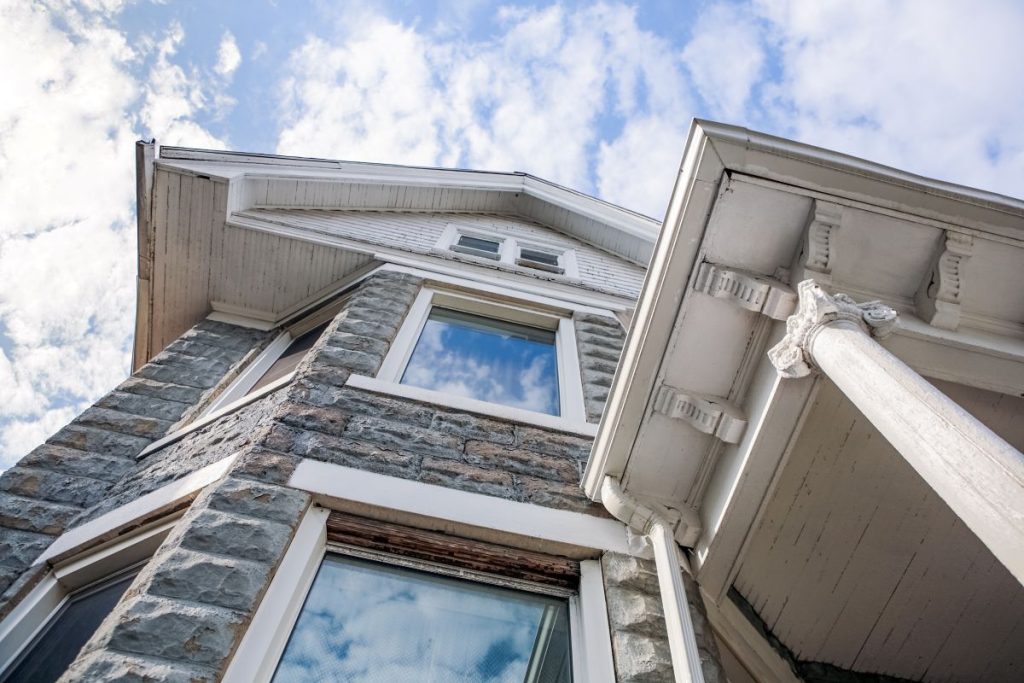
The fifth rule is to match windows, roofing, and architectural details to your home’s era, because Haddonfield’s district spans Colonial, Georgian, Federal, Victorian, and Queen Anne styles. A change that suits one period can look wrong on another, so research your home’s style before selecting materials or profiles. Period-appropriate slate, cedar, and copper roofing, correct window muntin patterns, and historically accurate trim keep the home cohesive and help your application move through review.
- Know your style: Identify your home’s architectural period before choosing materials.
- Roofing fit: Slate, cedar, and copper suit many of the district’s homes.
- Correct details: Window patterns and trim should reflect the original design.
6. Notify Neighbors and Meet Commission Deadlines
The sixth rule is to follow the procedural requirements exactly, because missed steps stall an application. Haddonfield requires applicants to submit a complete CoA package ahead of the commission’s meeting and to notify adjacent property owners before the hearing. Incomplete submissions or missed notifications can get an application tabled, adding weeks or months to your timeline. Confirm current deadlines, copy counts, and notification rules with the Borough office before you file.
- Meet deadlines: Submit the complete package ahead of the commission meeting.
- Notify neighbors: Adjacent owners must be notified before the hearing.
- Avoid tabling: Incomplete applications are delayed until requirements are met.
7. Choose Materials the Commission Will Approve
The seventh rule is to choose materials the commission is likely to approve, which often means natural or historically compatible products over modern substitutes. Wood, slate, cedar, and copper are widely accepted, while some synthetic materials are approved only when they convincingly match historic profiles and dimensions. Bringing manufacturer specifications and physical samples to review helps the commission evaluate your choices. Selecting approvable materials early prevents redesigns and keeps both your budget and schedule intact.
- Traditional materials: Wood, slate, cedar, and copper are commonly accepted.
- Substitute scrutiny: Synthetics must match historic profiles to gain approval.
- Document choices: Provide specifications and samples during design review.
8. Hire a Contractor Experienced with Historic Homes
The eighth rule is to hire a contractor experienced with historic homes and commission review, because specialty craftsmanship and the approval process both demand expertise general remodelers rarely have. A seasoned historic contractor can prepare CoA documentation, recommend period-correct materials, execute slate, cedar, and copper work, and anticipate what the commission will expect. In Haddonfield, NJ and surrounding areas, that experience is the difference between a smooth renovation and a stalled one. Choose a partner who knows both the craft and the code.
- Proven experience: Look for a track record with historic homes and CoA review.
- Specialty skills: Slate, cedar, and copper work require trained craftsmen.
- Process knowledge: The right contractor handles commission and permit steps for you.
Frequently Asked Questions
Homeowners renovating in Haddonfield’s historic district ask the same questions about permits, timelines, and what needs review. The short answers below cover the essentials before you apply.
Do I need a permit to renovate a historic home in Haddonfield?
Yes. Exterior changes to a property in the Haddonfield Historic District require a Certificate of Appropriateness from the Historic Preservation Commission and Planning Board before you can obtain construction permits. Interior-only work generally does not require a CoA. Always confirm with the Borough’s Zoning and Construction Office.
How long does the Certificate of Appropriateness process take?
The timeline depends on the commission’s meeting schedule and whether your application is complete. Applications must be submitted ahead of the meeting, and incomplete packages or missed neighbor notifications can push you to a later hearing. Planning several weeks to a few months ahead is wise for most renovations.
What kind of work needs Historic Preservation Commission review?
Any exterior alteration that changes how a building or site looks in the historic district generally needs review, including roofing, siding, windows, doors, additions, decks, and site changes. Routine maintenance and in-kind repairs may qualify for simpler handling. Check with the Borough to confirm what your specific work requires.
Can I replace historic windows or roofing with modern materials?
Sometimes, but the commission favors repairing originals or using materials that match the historic profile and appearance. Natural options like wood, slate, cedar, and copper are widely accepted, while synthetics are reviewed case by case. Bring specifications and samples so the commission can evaluate compatibility.

Why Excel Slate & Copper Is the Right Choice for Your Historic Renovation
Renovating a historic home in Haddonfield rewards patience and expertise, and the homeowners who succeed are the ones who respect the district’s rules and the Historic Preservation Commission’s review from day one. Excel Slate & Copper specializes in exactly this work, bringing historic restoration craftsmanship in slate, cedar, and copper to homeowners in Haddonfield, NJ and surrounding areas. As a licensed and insured restoration specialist, our team can prepare your Certificate of Appropriateness documentation, recommend period-correct materials, and execute the detailed work the commission expects, so your renovation protects both your home’s character and its value. If you are planning a historic renovation, reach out to Excel Slate & Copper today for a free estimate and let our experience guide you through every rule and every step.
