
Board and Batten Siding: Style, Durability & Curb Appeal
09.02.26
10 Min Read
Board and batten siding combines distinctive vertical lines with timeless architectural character, making it an appealing option for homeowners who want an exterior that feels both classic and current. Originally associated with barns and traditional rural buildings, the style has evolved into a versatile siding choice used on everything from historic homes to contemporary custom properties.
For homeowners in Haddon Heights, NJ and surrounding areas, board and batten siding can be particularly effective when the goal is to emphasize architectural details without losing the character of the home. With several material, color, and design options available, understanding how board and batten performs can help you decide whether it belongs on your next exterior project.
- Distinctive vertical design: Creates height, dimension, and architectural interest.
- Flexible material options: Available in fiber cement, engineered wood, vinyl, and other materials.
- Versatile curb appeal: Works with traditional, historic, farmhouse, and contemporary architecture.
What Is Board And Batten Siding?
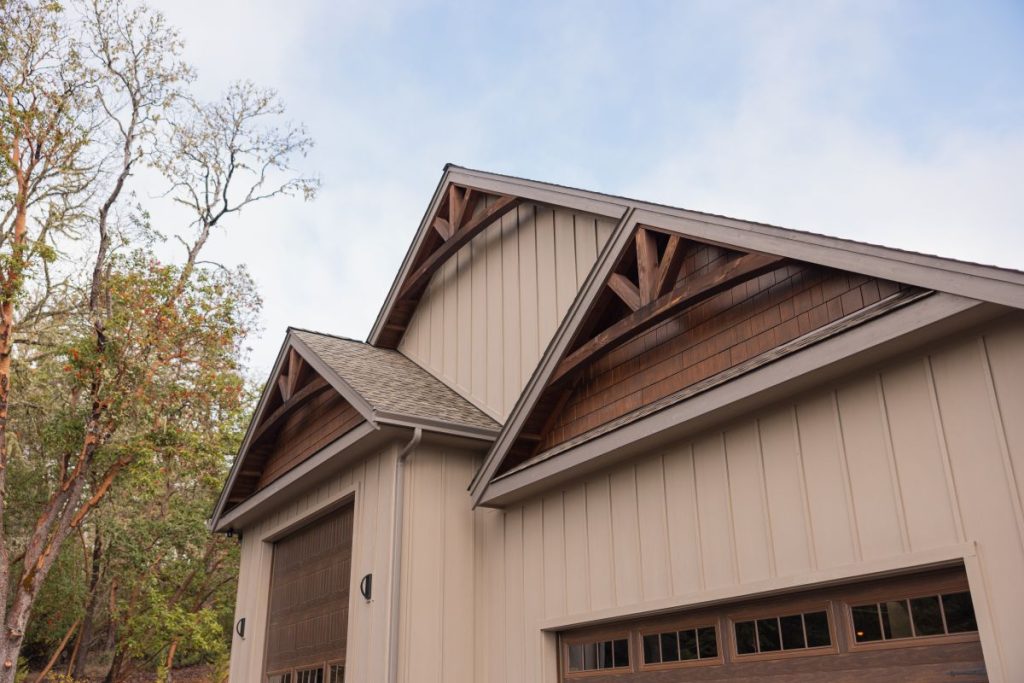
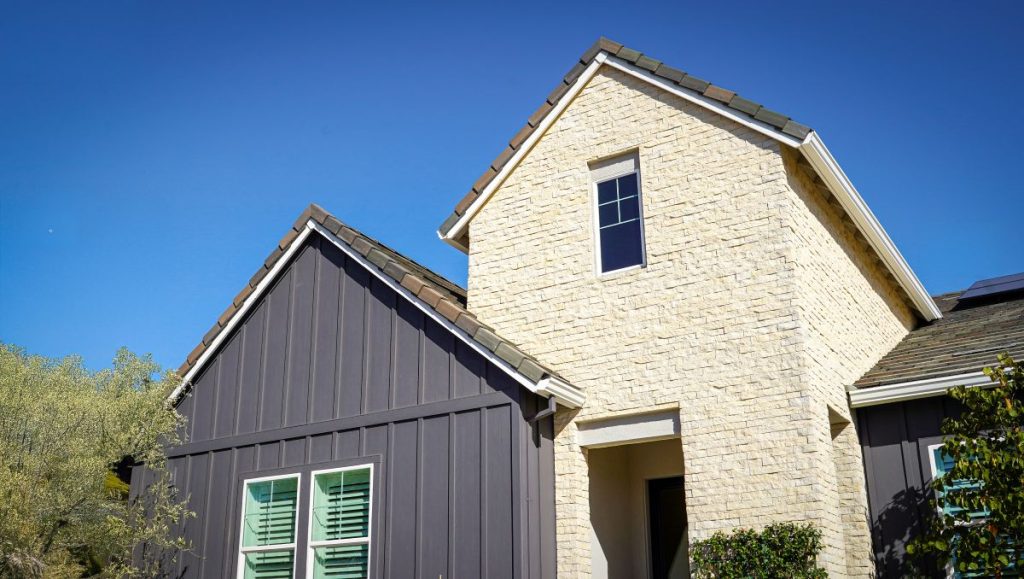
Board and batten is defined by its vertical orientation and alternating wide boards with narrower strips called battens. Traditionally, battens were installed over the seams between wood boards to help protect the structure from the elements. Today, manufacturers can recreate the same recognizable appearance using several modern siding materials and installation systems.
The result is an exterior with strong vertical lines that can make a home appear taller while highlighting its overall shape. Homeowners can use board and batten across an entire exterior or strategically combine it with other siding profiles to emphasize gables, additions, dormers, and other architectural features.
Where Did The Style Come From?
Traditional board and batten construction developed as a practical way to cover exterior walls while closing the gaps between individual boards. Its simple construction made it especially common on barns, outbuildings, and rural homes, eventually becoming an architectural style in its own right. Modern products preserve that visual character while offering homeowners access to materials designed for today’s performance and maintenance expectations.
- Vertical boards: Create the primary exterior surface.
- Narrow battens: Historically covered seams between wider boards.
- Traditional character: Closely associated with rural and historic architecture.
- Modern interpretation: Available in materials that recreate the classic appearance.
7 Benefits Of Board And Batten Siding
The growing popularity of board and batten is about more than following a design trend. Its vertical profile can transform the proportions of an exterior while giving homeowners considerable freedom to choose materials, colors, and complementary siding styles.
Before deciding whether it’s right for your home, consider these seven potential benefits.
1. Creates Distinctive Curb Appeal
Horizontal lap siding is common on residential properties, so changing the orientation immediately gives an exterior a different visual character. Board and batten creates strong vertical lines that draw the eye upward and emphasize features such as steep rooflines, gables, and tall windows. This can be particularly attractive on homes where the architecture deserves to remain the focal point.
- Added dimension: Creates greater visual depth across exterior walls.
- Vertical emphasis: Can make portions of the home appear taller.
- Architectural interest: Provides an alternative to standard horizontal siding.
2. Complements Historic Architecture
Although board and batten is frequently associated with today’s modern farmhouse aesthetic, the design itself is much older. It can therefore feel at home on certain historic properties when the siding style is appropriate for the home’s architecture. Material selection, board proportions, trim, and color all matter when incorporating it into an older property.
For historic homes in Haddon Heights, NJ and surrounding areas, the goal should be to enhance the existing architecture rather than forcing a modern trend onto the exterior.
- Traditional roots: Based on a siding method used for generations.
- Historic character: Can complement appropriate older home styles.
- Custom detailing: Board widths and trim can influence the finished appearance.
3. Works With Multiple Siding Materials
Board and batten describes a siding style rather than one specific material. Homeowners can achieve the vertical appearance using fiber cement, engineered wood, vinyl, natural wood, and other products depending on their goals and budget.
This flexibility makes it easier to balance architectural appearance with practical considerations such as maintenance and durability.
- Fiber cement: Offers durability with a convincing painted-wood appearance.
- Engineered wood: Provides a traditional look using a manufactured product.
- Vinyl: Offers another option for recreating the vertical profile.
- Natural wood: Delivers authentic character but generally requires more maintenance.
4. Offers Flexible Design Options
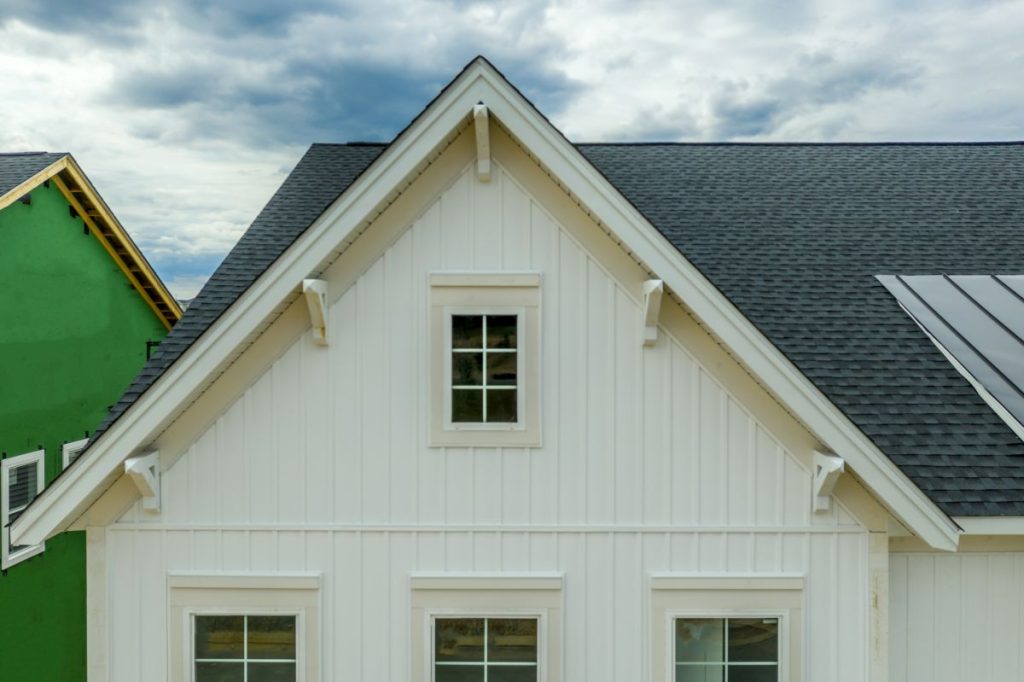
Board and batten does not have to cover every wall of a home. In many exterior designs, it works best as an accent alongside traditional horizontal lap siding, shingles, stone, brick, or other materials. Using it selectively can highlight the home’s most interesting architectural features without overwhelming the original design.
- Gable accents: Draw attention to prominent rooflines.
- Mixed siding: Adds contrast alongside horizontal siding.
- Additions: Helps visually distinguish different portions of the home.
- Full exteriors: Creates a strong, cohesive vertical design.
5. Can Provide Long-Lasting Durability
The durability of board and batten siding depends heavily on the material selected and the quality of installation. Modern fiber cement and other manufactured products can provide decades of service when properly installed and maintained, while traditional wood requires more ongoing care to manage moisture and deterioration.
Homeowners should therefore evaluate both the siding profile and the underlying material when comparing options.
- Material dependent: Lifespan varies considerably between products.
- Professional installation: Proper flashing and moisture management are essential.
- Routine maintenance: Helps preserve performance and appearance.
6. Provides Plenty Of Color Possibilities
The pronounced vertical pattern of board and batten can look dramatically different depending on the color selected. Light neutrals create a clean and traditional appearance, darker shades emphasize the vertical lines, and historically appropriate colors can help the siding complement an older home’s existing materials.
- Warm neutrals: Create a softer traditional exterior.
- Dark colors: Produce bold architectural definition.
- Historic palettes: Can complement older properties.
- Accent colors: Allow board and batten sections to stand apart from lap siding.
7. Pairs Well With Premium Exterior Details
Board and batten can provide an attractive backdrop for other architectural materials. Natural stone, brick, detailed trim, slate roofing, and custom copper work can all contribute additional texture and character when thoughtfully incorporated into the exterior.
On Victorian and historic homes, restraint is especially important. The siding should work with original architectural elements rather than competing with them.
- Slate roofing: Adds natural texture and historic character.
- Copper details: Introduce a distinctive material that develops patina over time.
- Decorative trim: Defines windows, doors, and rooflines.
- Masonry: Provides contrast against the vertical siding profile.
What Materials Are Best For Board And Batten Siding?
Because board and batten refers to the visual arrangement rather than the material itself, homeowners have several options to consider. The right product depends on desired appearance, maintenance expectations, budget, existing architecture, and how long you expect the siding to remain on the home.
For an older or architecturally significant property, material selection deserves particular attention. A product that looks appropriate on a contemporary farmhouse may not produce the same result on a historic residence.
Fiber Cement Board And Batten
Fiber cement is a popular option for homeowners who want the appearance of painted wood with less maintenance than traditional wood siding. Products are available with smooth or textured finishes and can be combined with other fiber cement profiles for a coordinated exterior.
- Durable construction: Resists rot and many common pest concerns.
- Design flexibility: Available in numerous colors and finishes.
- Historic potential: Can recreate traditional painted siding when thoughtfully designed.
- Lower upkeep: Generally requires less maintenance than natural wood.
Natural Wood Board And Batten
Wood provides the authentic appearance that originally defined board and batten construction. Its natural grain and traditional character can be particularly appealing for certain restorations, but homeowners should be prepared for additional upkeep.
- Authentic appearance: Provides genuine natural wood texture.
- Customizable finish: Can be painted or stained.
- Maintenance needs: Requires ongoing protection against moisture and deterioration.
- Architectural character: Appropriate for certain traditional designs.
How Much Does Board And Batten Siding Cost?
The cost of board and batten siding can vary considerably, so broad online averages should be treated only as starting points. Material selection, home size, removal of existing siding, wall condition, architectural complexity, trim details, and labor requirements can all influence the final investment.
Historic homes can introduce additional considerations because exterior renovations may involve detailed trim, unusual wall configurations, or areas that require additional preparation. A project-specific consultation provides a much more useful figure than relying on a national cost estimate.
What Influences The Final Price?
- Siding material: Fiber cement, wood, vinyl, and engineered products have different price ranges.
- Exterior size: More wall area requires additional material and labor.
- Architectural details: Dormers, gables, windows, and decorative trim increase complexity.
- Existing siding: Removal and preparation can add to project requirements.
- Custom design: Mixed profiles and detailed transitions may require additional craftsmanship.
Does Board And Batten Work On Victorian Homes?
Victorian architecture is known for elaborate exterior details, varied textures, steep rooflines, decorative trim, and carefully considered color combinations. Board and batten can work on some Victorian and other historic properties, but whether it is appropriate depends on the home’s specific architectural style and original design.
For homeowners in Haddon Heights, NJ and surrounding areas, preserving historic character should come before adopting a particular siding trend. Looking at original materials, existing architectural details, and the relationship between the siding and roof can help create a more cohesive result.
Designing Around Historic Details
When board and batten is appropriate for a historic property, it should complement the features that already make the home distinctive. Rather than covering important architectural details, the siding layout can be designed around them and paired with materials that reinforce the home’s character.
- Preserve original proportions: Avoid overpowering existing architectural details.
- Coordinate with roofing: Consider how siding interacts with slate, copper, or other premium materials.
- Respect trim work: Maintain decorative windows, cornices, and other defining features.
- Choose colors carefully: Select a palette that supports the home’s architectural period.
Is Board And Batten Siding Right For Your Home?
Board and batten siding can be an excellent choice if you want to introduce vertical dimension, highlight architectural features, or give your exterior a distinctive appearance. However, the siding profile is only one part of the decision. Material, installation quality, color, trim, roofing, and the architecture of the home all influence whether the finished exterior feels cohesive.
For historic properties especially, thoughtful design is more important than simply choosing a popular siding style. The best exterior updates should enhance what makes the home unique while improving its durability and performance.
Consider Board And Batten If You Want
- More architectural dimension: Vertical lines create a distinctive exterior.
- Flexible design: Use it throughout the home or only as an accent.
- Multiple material choices: Select a product based on maintenance and performance goals.
- Historic character: Complement appropriate traditional architecture with careful planning.
Bring Out The Character Of Your Home
Board and batten siding offers a distinctive combination of traditional character and modern design flexibility. From fiber cement panels on a newer residence to carefully selected vertical siding on an older property, the right design can add dimension and curb appeal while respecting the architecture that makes the home special.
For homeowners in Haddon Heights, NJ and surrounding areas, Excel Slate & Copper understands the attention to detail that historic and premium homes require. Our team works with homeowners to preserve architectural character while selecting exterior solutions designed for lasting performance. Contact Excel Slate & Copper today to schedule a free consultation and discuss the right approach for your home’s exterior.
