Historic Roof Styles: 7 Types, Materials & Design Guide
04.08.26
7 Min Read
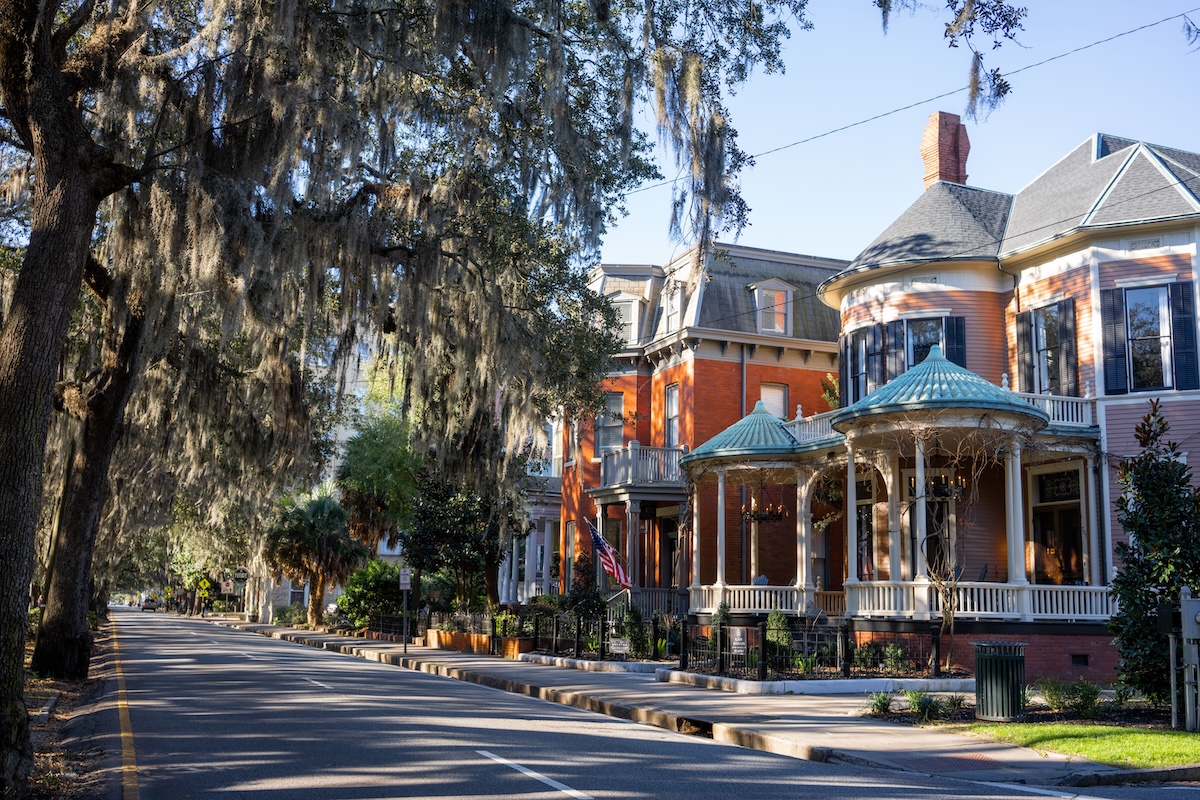
Understanding historic roof styles can help homeowners preserve architectural character while ensuring their homes remain protected and functional. Many historic homes, especially Victorian homes, feature distinctive roof shapes and materials that reflect the era in which they were built. Choosing the right materials and maintaining the original design is essential for protecting both the structure and its visual appeal.
Homeowners in Haddonfield, NJ and surrounding areas often encounter Victorian architecture when restoring older homes or maintaining traditional properties. Knowing the differences between common historic roof styles helps homeowners make informed decisions about repairs, replacements, and upgrades.
- Architectural significance: Historic roof styles reflect specific time periods and building traditions.
- Material considerations: Traditional roofing materials were often selected for durability and local availability.
- Preservation importance: Maintaining original roof styles helps protect a home’s historical value.
Why Historic Roof Styles Matter
Historic roofs are more than functional structures. They are a defining feature of a home’s architectural identity, especially in Victorian homes where rooflines, pitches, and decorative elements create a distinct visual impact. Maintaining these features helps preserve the overall character of the home and the surrounding neighborhood.
In Haddonfield, NJ and surrounding areas, many Victorian homes date back decades or more than a century. Preserving historic roof styles ensures these homes retain their charm while still benefiting from modern roofing performance and protection against current weather conditions.
7 Historic Roof Styles Found On Older Homes
Many traditional homes share recognizable roof shapes that have remained popular for generations. These designs were originally developed to handle climate conditions while complementing architectural styles.
Below are seven historic roof styles that homeowners commonly encounter when restoring older homes.
1. Gable Roof
The gable roof is one of the most recognizable historic roof styles. It features two sloping sides that meet at a central ridge, forming a triangular shape on each end of the home.
This simple yet effective design has been used for centuries because it efficiently sheds water and snow.
- Classic shape: Often seen on Colonial, Cape Cod, and farmhouse-style homes.
- Excellent drainage: Steep slopes allow rain and snow to slide off easily.
- Versatile materials: Works well with shingles, slate, metal, or cedar shake.
2. Hip Roof
Hip roofs slope downward on all four sides, creating a balanced and symmetrical appearance. This design is common on historic homes that prioritize structural stability and wind resistance.
Hip roofs also tend to provide excellent durability during storms.
- Four-sided slopes: Improves stability in windy climates.
- Elegant design: Often found on Georgian and Federal-style homes.
- Even weight distribution: Helps strengthen the roof structure.
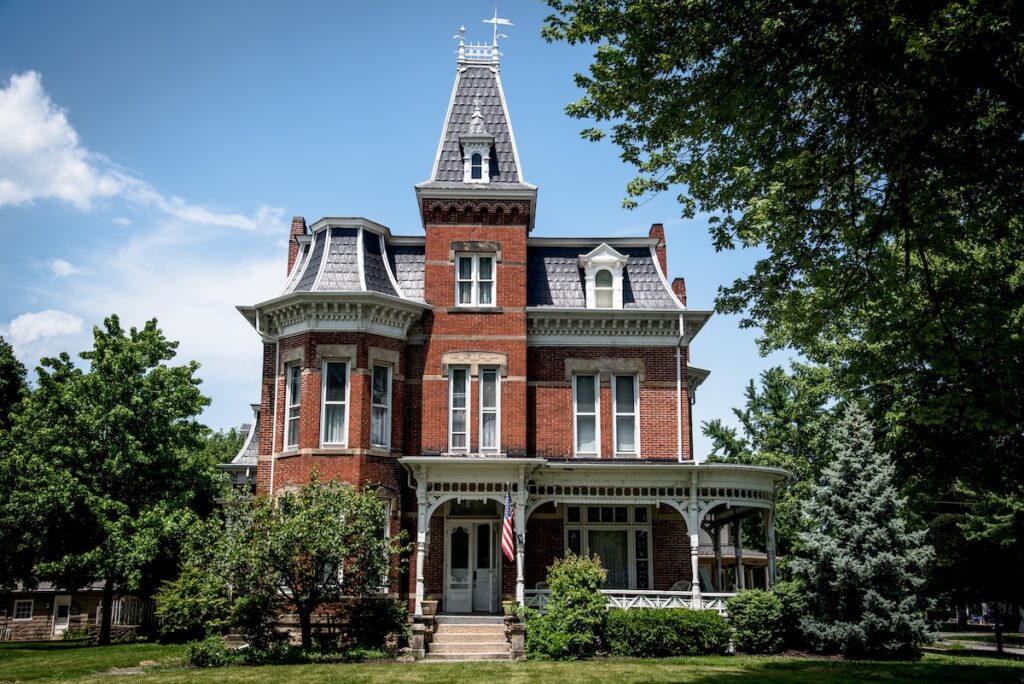
3. Mansard Roof
The mansard roof originated in France and became popular in American architecture during the 19th century. This style features two slopes on each side, with the lower slope being much steeper than the upper portion.
The design allowed homeowners to add additional living space beneath the roof.
- Dual slope design: Creates a distinctive profile.
- Expanded attic space: Often used for additional rooms or storage.
- Decorative potential: Frequently paired with dormer windows.
4. Gambrel Roof
The gambrel roof is commonly associated with barns but also appears on historic residential properties. Like the mansard roof, it features two slopes per side, but it only covers two sides of the structure.
This design maximizes interior space while maintaining a traditional appearance.
- Barn-style profile: Recognizable curved or angled slopes.
- Large attic space: Allows for expanded upper floors.
- Historic appeal: Often seen on Dutch Colonial homes.
5. Flat Roof
Flat roofs have been used in historic urban architecture for centuries, particularly in row homes and early commercial buildings. While they are not perfectly flat, they have a very low slope designed to allow water drainage.
Many historic city homes still feature this roof style today.
- Low slope design: Slight pitch directs water toward drainage systems.
- Urban architecture: Common on row houses and townhomes.
- Space efficiency: Allows rooftop equipment or outdoor living areas.
6. Shed Roof
A shed roof consists of a single sloping plane. Although simple in design, it has been used historically for additions, porches, and smaller structures attached to larger homes.
This roof type is also common in early modern and Craftsman-style architecture.
- Single slope structure: One side slopes downward in a single direction.
- Simple construction: Often used for home additions or extensions.
- Efficient water runoff: Rain easily drains off the roof surface.
7. Jerkinhead Roof
The jerkinhead roof is a variation of the gable roof. Instead of a full triangular end, the peak is clipped, creating a short sloping section at the top of the gable.
This design offers improved wind resistance while maintaining the classic gable appearance.
- Clipped gable design: Shortened peak reduces wind pressure.
- Decorative detail: Adds subtle architectural interest.
- Historic charm: Often found on Victorian and Craftsman homes.
Materials Used On Historic Roofs
Historic roof styles were originally paired with materials that reflected the resources available at the time. These materials were selected for durability, weather resistance, and visual appeal.
Today, homeowners restoring historic properties often choose between traditional materials and modern alternatives that replicate the original appearance.
Slate Roofing
- Extremely durable: Can last 75 to 100 years or more.
- Natural stone appearance: Enhances historic character.
- Heavy material: Requires strong structural support.
Cedar Shake
- Rustic texture: Adds warmth and character to historic homes.
- Natural insulation: Provides moderate energy efficiency.
- Maintenance needs: Requires periodic treatment and replacement.
Metal Roofing
- Long lifespan: Often lasts 40 to 70 years or more.
- Lightweight design: Ideal for older structures.
- Historic compatibility: Standing seam metal roofs are common on older homes.
Clay Or Concrete Tile
- Distinctive appearance: Often associated with Mediterranean or Spanish-style homes.
- Long durability: Can last decades with proper care.
- Heavy weight: May require structural reinforcement.
Preserving Historic Roof Design
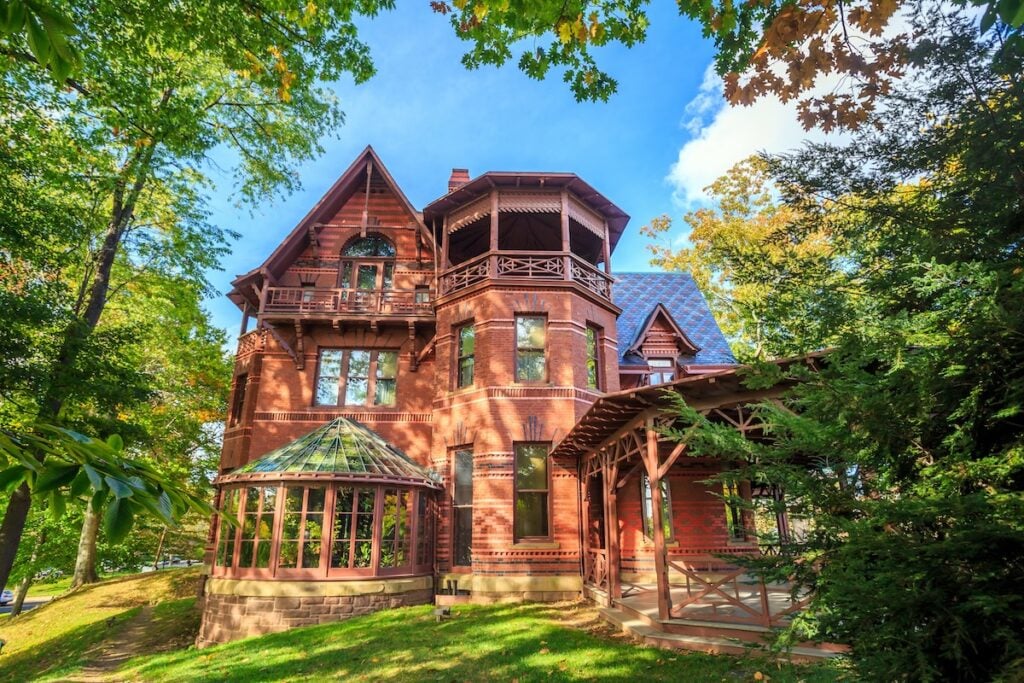
When restoring or replacing a roof on an older home, preserving the original design is often recommended. This is especially important for Victorian homes, which feature intricate rooflines, steep slopes, and decorative elements that define their character. Changing the roof shape or material can affect the architectural integrity of the home and may even violate local preservation guidelines.
In Haddonfield, NJ and surrounding areas, many neighborhoods include Victorian homes that fall under historic preservation expectations. These homes often require careful material selection and installation methods to maintain their original appearance while still improving performance and durability.
Tips For Maintaining Historic Roofs
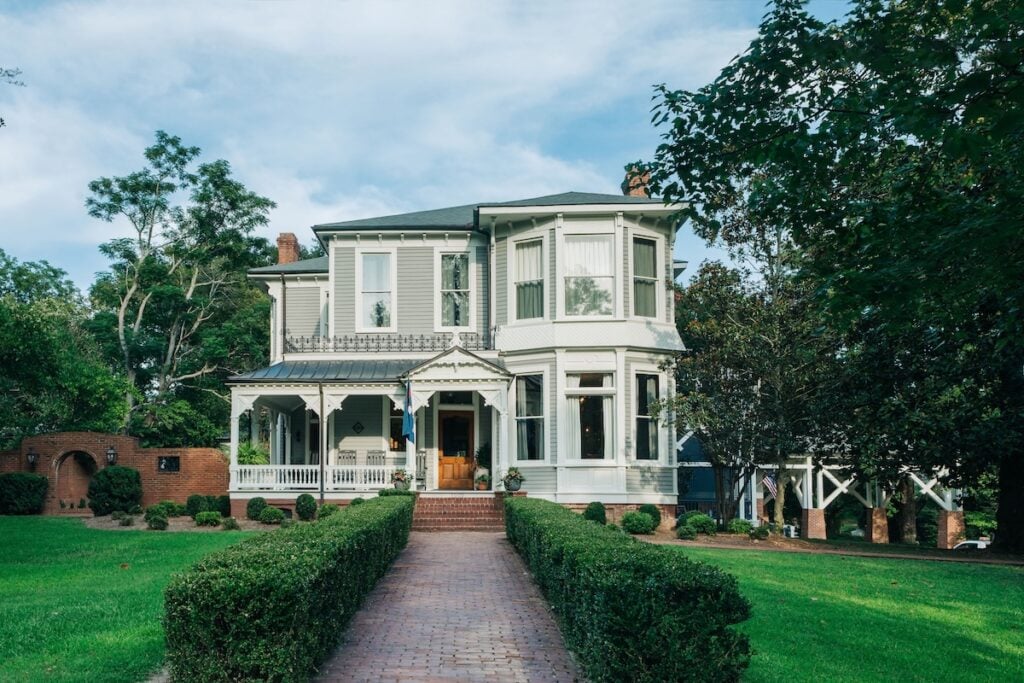
Maintaining a historic roof, particularly on Victorian homes, requires attention to detail and a strong understanding of traditional materials. Because these homes often include complex features like turrets, dormers, and multiple roof pitches, even small changes can impact the overall look.
- Match original materials when possible: Helps preserve the detailed character found in Victorian architecture.
- Work with experienced contractors: Victorian roofs require specialized knowledge due to their complexity.
- Schedule regular inspections: Prevents minor issues from affecting intricate roof features.
Modern Alternatives For Historic Homes
In some cases, modern materials can improve durability while still maintaining the historic look of a Victorian home. These alternatives are especially useful when the original materials are no longer practical due to cost or structural limitations.
- Synthetic slate: Mimics natural slate while reducing weight on older Victorian framing.
- Metal shingles: Replicate cedar shake or slate styles commonly found on historic homes.
- Composite roofing: Provides a balance of traditional appearance and modern performance.
Why Professional Guidance Is Important
Historic roofing projects require careful planning and expert installation. Roofing systems must protect the structure while preserving its architectural character.
Working with experienced contractors ensures the roof is installed correctly and complies with any local guidelines.
- Accurate material selection: Helps maintain architectural authenticity.
- Proper installation methods: Protect structural integrity.
- Long-term durability: Ensures the roof performs well for decades.
Preserve The Beauty Of Historic Roof Styles
Historic roof styles play a major role in defining the charm and character of older homes. From classic gable roofs to distinctive mansard and gambrel designs, these architectural elements reflect the craftsmanship of earlier eras.
For homeowners in Haddonfield, NJ and surrounding areas, maintaining these historic roof styles helps preserve both property value and community character. At Excel Roofing & Siding, our experienced team understands the importance of protecting historic homes while ensuring modern performance. Contact us today to schedule a free consultation and learn how we can help maintain or restore your home’s historic roof with care and expertise.
