Slate Roof Installation: Long-Term Value & Benefits
01.28.26
6 Min Read
Investing in slate roof installation is one of the smartest decisions homeowners can make when looking for beauty, performance, and longevity in a roofing system. Slate not only offers unmatched elegance but also delivers decades—if not centuries—of reliable protection. For those who want a premium roofing option that adds instant curb appeal and long-term value, slate remains a top choice.
- Lifespan advantage: Slate roofs can last over 100 years with proper installation.
- Architectural appeal: Natural slate offers a timeless, high-end look.
- Property value: Slate increases resale value and attracts premium buyers.
Why Slate Roofing Stands Out From Other Materials
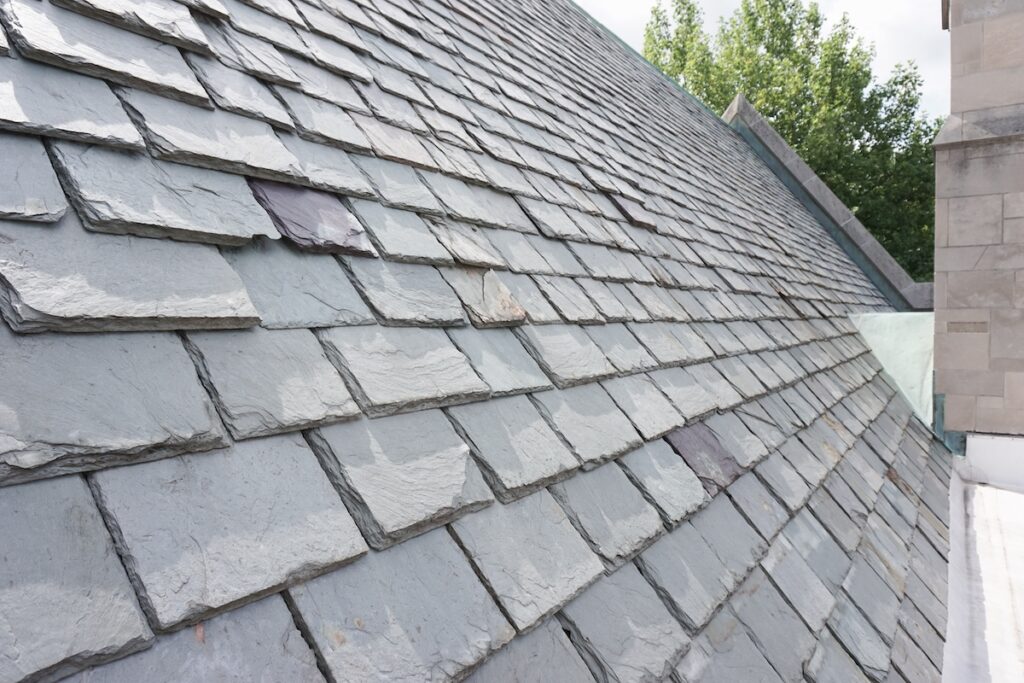
Slate is a natural stone product that offers both beauty and function. While many modern materials attempt to replicate the look of slate, very few can match its strength, fire resistance, or natural texture.
In areas like New Hope, PA and surrounding communities, slate is often seen on historic homes or upscale properties. Its unique combination of old-world charm and structural integrity makes it a wise long-term investment.
Not Just Aesthetic—It’s Performance-Driven
- Natural durability: Slate is non-combustible, waterproof, and highly resistant to temperature swings.
- Low maintenance: Requires fewer repairs over time compared to other roofing materials.
- Environmentally friendly: A natural product with a smaller lifecycle footprint than asphalt or metal.
5 Step Slate Roof Installation Process
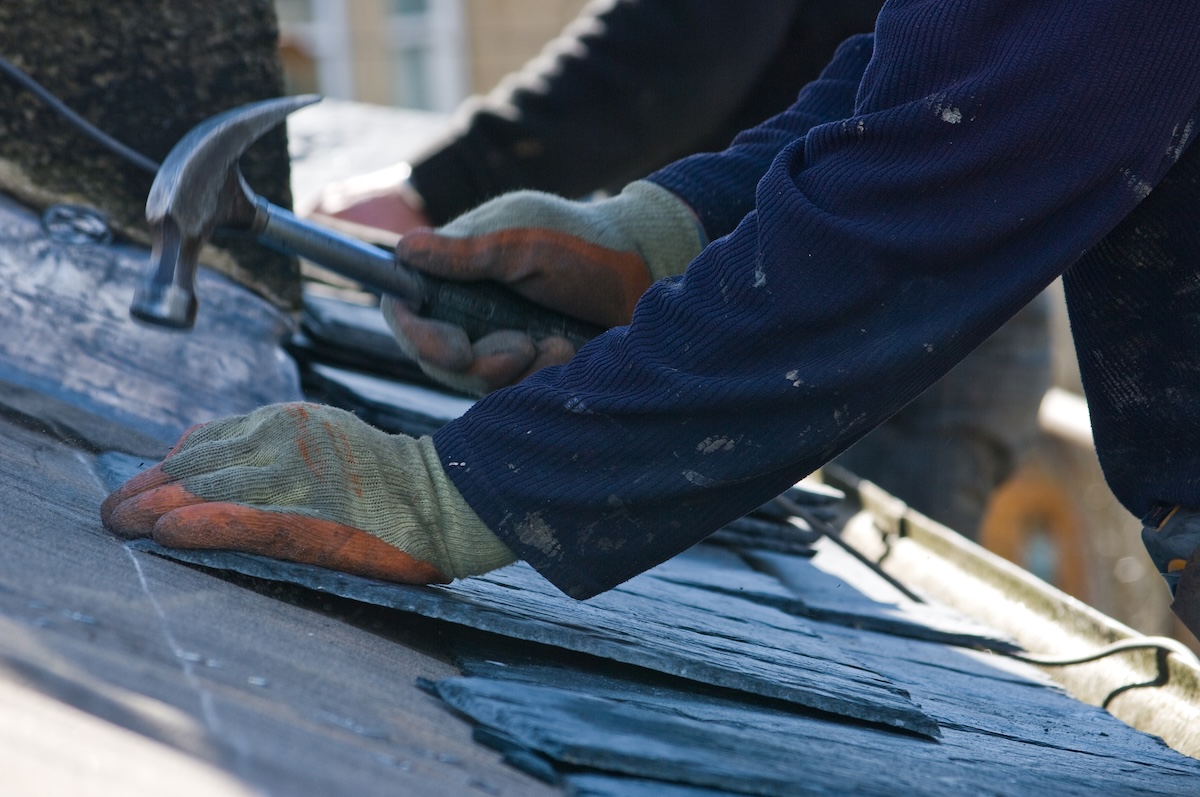
Slate roof installation requires expertise and attention to detail. Unlike standard shingle roofs, working with slate involves handling natural stone, which can crack if not installed correctly. A properly installed slate roof can last over a century—but only if it’s done right the first time.
Understanding the steps involved can help homeowners know what to expect from start to finish.
1. Initial Consultation And Roof Assessment
Before installation begins, a roofing contractor will assess your home’s structure to ensure it can support the weight of slate. Slate is significantly heavier than asphalt or metal roofing.
- Structural evaluation: Engineers or roofing experts inspect rafters and decking.
- Style and color selection: Homeowners choose from a range of slate sizes, shapes, and tones.
- Quote and timeline: A detailed estimate is provided, outlining scope and cost.
2. Roof Preparation And Tear-Off
If replacing an existing roof, the current materials are carefully removed. This process includes the tear-off of shingles, underlayment, flashing, and sometimes sections of the roof deck.
- Deck inspection: Any damaged wood is replaced to create a solid foundation.
- Surface cleanup: The roof deck is cleared and leveled to ensure proper slate alignment.
3. Underlayment And Flashing Installation
The underlayment serves as a moisture barrier beneath the slate. Flashing is installed around chimneys, valleys, ridges, and any roof penetrations.
- Waterproofing layers: High-quality underlayment provides essential backup protection.
- Copper or stainless flashing: These metals are used for longevity and weather resistance.
- Ventilation planning: Proper airflow helps extend roof life and reduce moisture buildup.
4. Slate Tile Installation
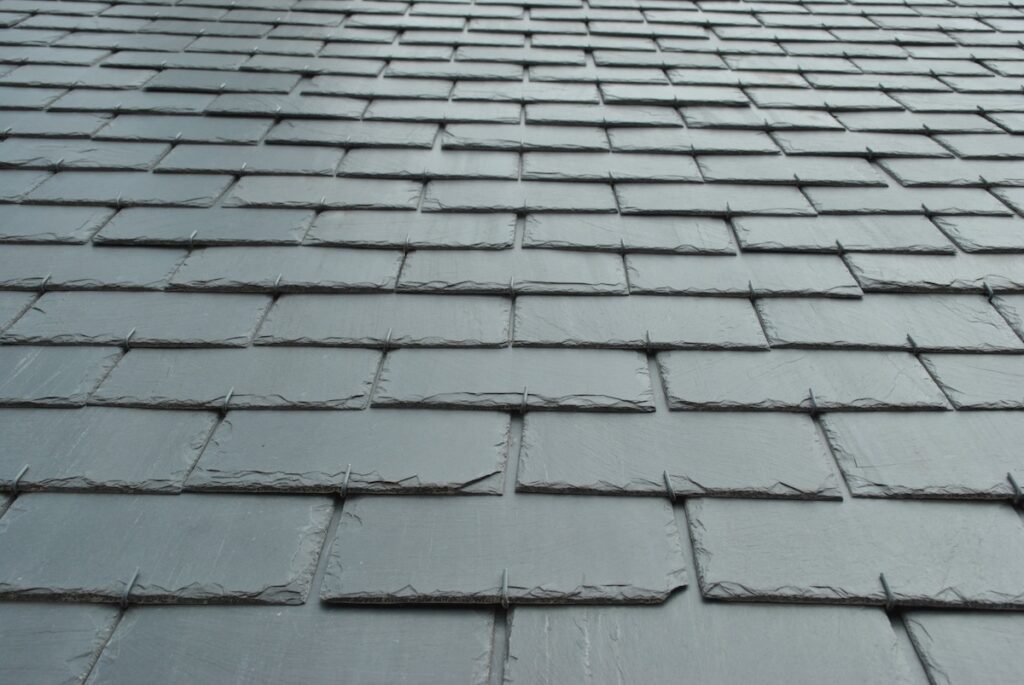
Each piece of slate is installed one by one, using copper nails or stainless steel fasteners. This is a time-intensive and highly skilled process that must be done with care.
- Layout planning: The installer maps out tile rows based on tile size and exposure.
- Precise placement: Tiles are overlapped to create a watertight surface.
- Cutting and trimming: Special tools are used to custom-fit tiles around edges and flashing.
5. Final Inspection And Walkthrough
Once installation is complete, the crew performs a full walkthrough and inspection. Homeowners are given an overview of the work completed, along with care instructions.
- Workmanship review: Every tile and seam is checked for precision.
- Cleanup and disposal: All debris is removed and the property is returned to pre-project condition.
- Warranty provided: Quality contractors offer both workmanship and material warranties.
Benefits Of Slate Roof Installation
While slate is a higher upfront investment, the benefits are extensive and long-lasting. From resale value to environmental impact, slate offers advantages no synthetic material can replicate.
Exceptional Lifespan
Slate’s long life is one of its biggest selling points. Many slate roofs last over 100 years, outlasting nearly every other roofing option on the market.
- Century of performance: With proper maintenance, slate may never need full replacement.
- Fewer repairs: Slate is less susceptible to damage from UV rays, rot, and pests.
- Investment payoff: Though expensive up front, it provides long-term savings through longevity.
Architectural Appeal
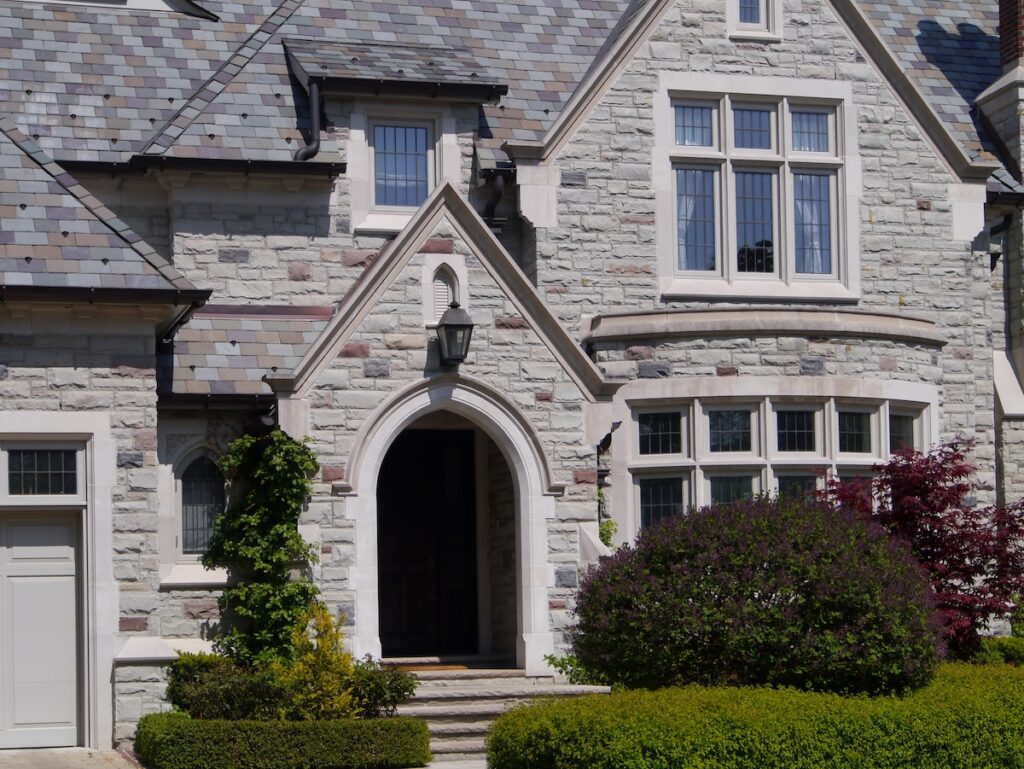
Slate enhances curb appeal in ways few other materials can. Each piece of slate has its own texture and variation, giving the roof a rich, natural look.
- Custom look: Available in multiple colors, thicknesses, and shapes.
- Historic charm: Commonly used on heritage homes and upscale properties.
- Boosts resale appeal: Slate roofs often attract more serious buyers and higher offers.
Low Maintenance Needs
Once installed, slate requires minimal upkeep compared to asphalt or cedar. It does not warp, fade, or mold, and rarely needs replacement tiles.
- Occasional inspections: A professional inspection every year or two is usually sufficient.
- Simple cleaning: Rinsing off debris or leaves helps prevent buildup in valleys or gutters.
- No painting or sealing: Slate maintains its look and performance naturally.
Fire And Weather Resistance
Slate is naturally fireproof, making it an excellent choice for safety-conscious homeowners. It also resists high winds and sheds snow and water easily.
- Fire safety: Unlike wood or asphalt, slate will not ignite.
- Storm durability: Tiles stay in place during wind events when installed properly.
- Seasonal performance: Performs well in both hot and cold climates like New Hope, PA and surrounding areas.
Is Slate Right For Your Home?
Slate roofing isn’t ideal for every home—but for those that can support it, the benefits are hard to beat. Homeowners considering slate should evaluate a few important factors before deciding.
Structural Capacity
- Heavier material: Slate weighs 800–1,500 pounds per square (100 sq. ft.).
- Reinforcement may be needed: Some homes require upgraded framing or decking.
Budget Considerations
- Higher up-front cost: Slate is one of the most expensive roofing materials.
- Long-term value: Over time, the reduced need for replacement justifies the investment.
Design Preferences
- Classic appearance: Best suited for traditional, historic, or high-end homes.
- Color options available: Ranges from black and gray to green, purple, and red blends.
Working With A Slate Roofing Specialist
Not every roofer has the skills needed for slate roof installation. Homeowners should look for a contractor with proven experience, proper tools, and an understanding of both the material and the installation method.
- Check past slate projects: Ask for references and photos.
- Confirm material sourcing: Reputable contractors use high-quality slate from trusted quarries.
- Understand warranties: A slate roof should come with clear material and workmanship guarantees.
Invest In Slate For Generations Of Performance
Slate roof installation offers homeowners in New Hope, PA and surrounding areas a beautiful, long-lasting, and low-maintenance solution that truly stands the test of time. From its unmatched lifespan to its ability to elevate curb appeal, slate is more than a roofing material—it’s an investment in the future of your home.
Excel Slate & Copper specializes in high-quality slate roof installation with the expertise needed to ensure every tile is placed with care and precision. Contact us today to request a free estimate and explore whether a slate roof is the perfect match for your home.
