Best Roofing Options For Historic Homes: Restoration Guide
10.29.25
5 Min Read
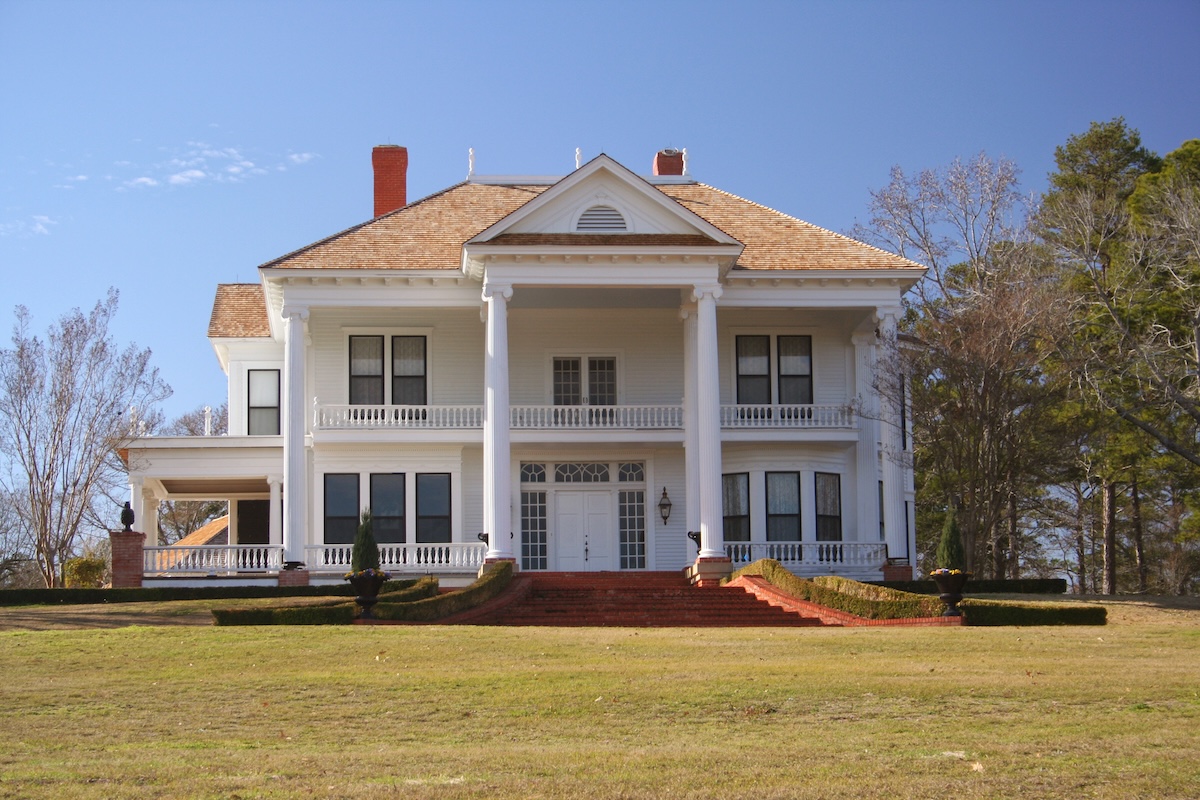
When exploring roofing options for historic homes, homeowners must balance authenticity with modern durability. Older houses often feature unique architectural details that require specialized materials and expert installation to preserve their character. Choosing the right roof not only protects the structure but also ensures the home retains its historic charm.
- Preservation: The right roof maintains architectural authenticity while meeting local preservation guidelines.
- Durability: Modern materials offer longer lifespans while still replicating historical appearances.
- Value: Investing in proper restoration enhances curb appeal and property value in communities with historic homes.
Why Roofing Choices Matter For Historic Homes
Historic properties are more than just houses; they are pieces of architectural history. Replacing or restoring a roof on these homes requires careful planning to match original aesthetics while ensuring modern protection. For homeowners in Cherry Hill, NJ and surrounding areas, where historic neighborhoods are treasured, the roof often becomes a focal point of restoration projects.
Common Roofing Materials Used Historically
To understand the best modern roofing options, it helps to know what materials were originally used on historic properties.
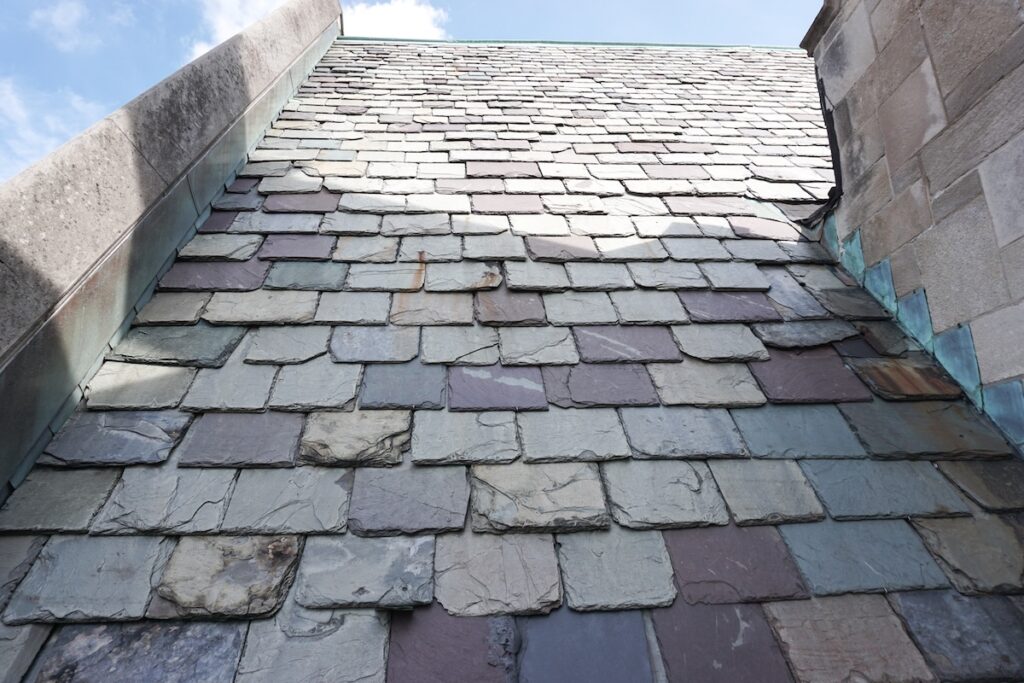
Slate Roofing
Slate was one of the most durable roofing choices in past centuries. Its natural beauty and longevity made it a popular option for higher-end homes. Authentic slate can last well over 100 years, though it comes with a high installation cost and requires skilled craftsmanship.

Wood Shingles And Shakes
Wood shingles and shakes were widely used for their availability and natural look. While they bring rustic charm, they are susceptible to rot, insects, and fire. Today, synthetic alternatives are available that replicate the look without the same vulnerabilities.
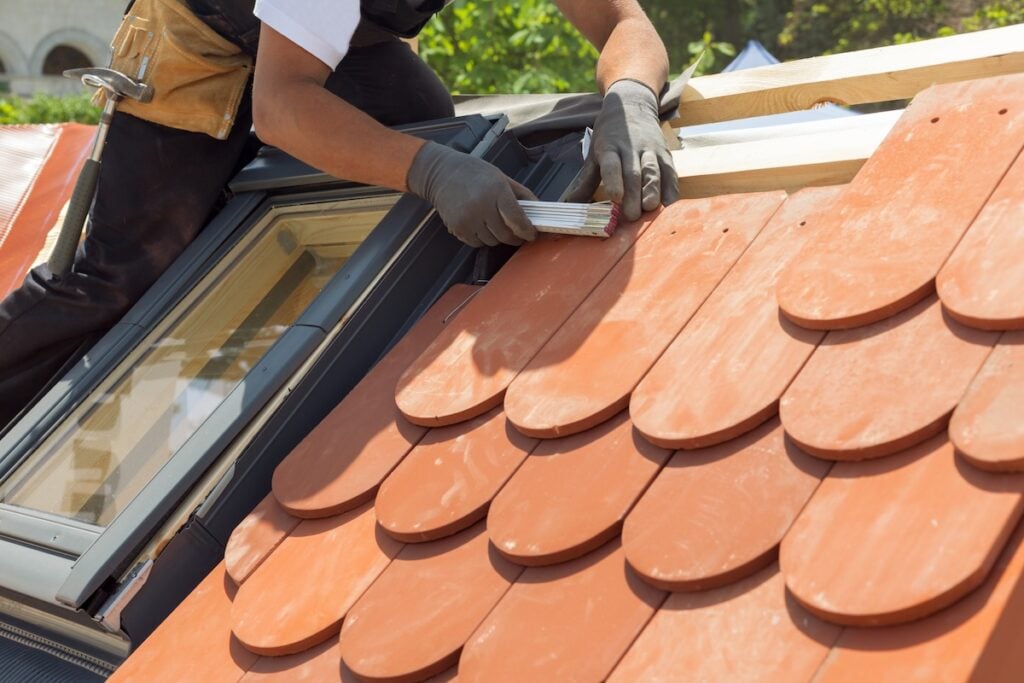
Clay And Terracotta Tiles
Clay tiles were common in certain regions and remain a signature of Mediterranean and Spanish-style architecture. They provide excellent fire resistance and longevity but are heavy, requiring reinforced roof structures.
Modern Roofing Options For Historic Homes
Today’s materials allow homeowners to replicate historic appearances while benefiting from improved performance. Below are some of the most trusted solutions.
Synthetic Slate
- Authenticity: Mimics the natural look of slate while weighing far less.
- Durability: Provides decades of performance with lower risk of breakage.
- Cost efficiency: Less expensive than natural slate while still offering premium appeal.
Cedar Shakes And Alternatives
- Classic appearance: Maintains the traditional wood look beloved in historic homes.
- Modern alternatives: Composite shakes provide the same look with better resistance to fire, insects, and weather.
- Lower maintenance: Reduced upkeep compared to natural cedar.
Metal Roofing
- Versatility: Standing seam or stamped metal shingles can replicate historical profiles.
- Longevity: Metal roofs can last 50 years or more with proper installation.
- Eco-friendly: Metal is often made from recycled content and can be recycled at the end of its lifespan.
Clay Or Concrete Tiles
- Traditional style: Perfect for historic homes with Mediterranean or Spanish influence.
- Durability: Clay and concrete can last 75+ years with little fading.
- Structural needs: May require reinforcement of the home’s roofing frame.
6 Key Considerations When Restoring A Historic Roof
Before committing to a roofing project, homeowners should weigh several important factors to ensure both beauty and function are preserved.
- Historical accuracy: Research original roofing materials and styles to align with the home’s heritage.
- Local regulations: Many historic districts, such as those in Cherry Hill, NJ and surrounding areas, enforce preservation standards that dictate roofing choices.
- Structural integrity: Ensure your roof’s framing can handle the weight of materials like slate or tile.
- Budget: Balance authenticity with affordability by considering synthetic alternatives that replicate historic materials.
- Climate compatibility: Choose materials suited for local weather conditions, including snow, rain, and high winds.
- Professional expertise: Work with contractors experienced in historic roof restoration to avoid costly mistakes.
The Role Of Skilled Craftsmanship
Historic homes often have unique rooflines, ornate details, or irregular shapes that standard roofing projects do not involve. This makes craftsmanship a critical part of the restoration process. Roofing professionals who understand both the technical and historical aspects can install modern materials without compromising the home’s authenticity.
Benefits Of Modernizing With Historical Sensitivity
Preserving a historic home does not mean ignoring modern advantages. Many updated roofing options combine old-world looks with new-world benefits.

Improved Energy Efficiency
Modern roofing materials often include features like reflective coatings or better insulation, which can lower energy bills. Even with historic appearances, today’s options can improve comfort and reduce household costs.
Enhanced Safety Features
Historic homes were not built with fire- or wind-resistance standards we have today. Materials like metal, composite shakes, and clay tiles provide added security against severe weather and fire hazards.
Reduced Maintenance
Choosing synthetic versions of slate or wood shakes reduces the upkeep demands that traditional materials require. This allows homeowners to enjoy the charm of their historic property without constant repair concerns.
Caring For A Restored Historic Roof
Once a historic roof is restored, routine care helps maintain both appearance and performance.
- Annual inspections: Have a professional check for loose, cracked, or missing materials each year.
- Gutter maintenance: Clear gutters and downspouts to prevent water damage along rooflines.
- Professional repairs: Avoid DIY fixes; specialized roofs require expert handling to maintain authenticity and function.
Restore History With The Right Roof
Choosing the best roofing options for historic homes requires balancing architectural authenticity with modern performance. With materials like synthetic slate, cedar alternatives, metal, and clay tiles, homeowners in Cherry Hill, NJ and surrounding areas can protect their investment while maintaining their property’s historic character.
Excel Slate & Copper has the expertise to restore and protect historic homes with precision and care. Contact us today for a free estimate and let us help you choose the perfect roof to preserve your home’s timeless beauty.
